Pitti Fragranze 2026: The Perfumes and Brands That Stood Out in Florence
Written by Kristina Kybartaite-Damule
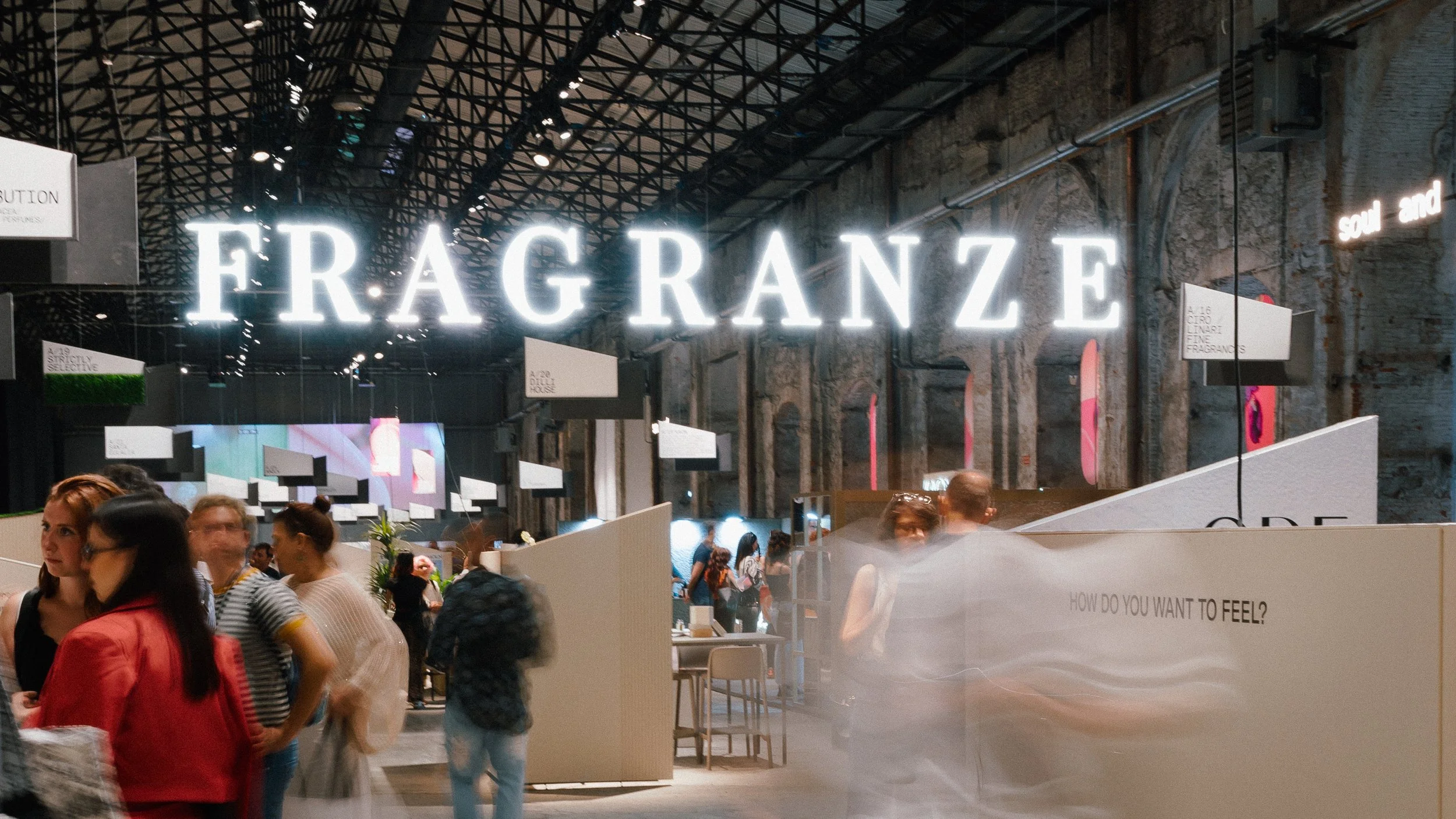
The 24th edition of Pitti Fragranze brought the artistic perfumery back to Florence from September 11–13, 2026, filling Stazione Leopolda with established houses, emerging names and a substantial number of new launches.
Images by Darius Damulis
This year's edition was the largest yet, with a record 290 exhibitors. According to figures released by Pitti Immagine, the fair welcomed more than 2,200 buyers and industry professionals, including almost 600 international retailers from over 50 countries, alongside approximately 460 members of the press and media.
Like every year, Pitti Fragranze was very international: brands from France, Spain, Germany, United Arab Emirates, United Kingdom, United States and Switzerland, Lithuania, Poland, China, the Netherlands, Romania, Saudi Arabia, South Korea, the Czech Republic, Israel, Austria, Japan and Turkey were presenting their creations.
Numbers, however, tell only part of the story. What continues to make Pitti Fragranze relevant is its mixture of established perfumery and smaller brands that are still largely unknown outside their domestic markets. Across three days of smelling, several launches and discoveries stood out to me.
Le Persona – First Waltz
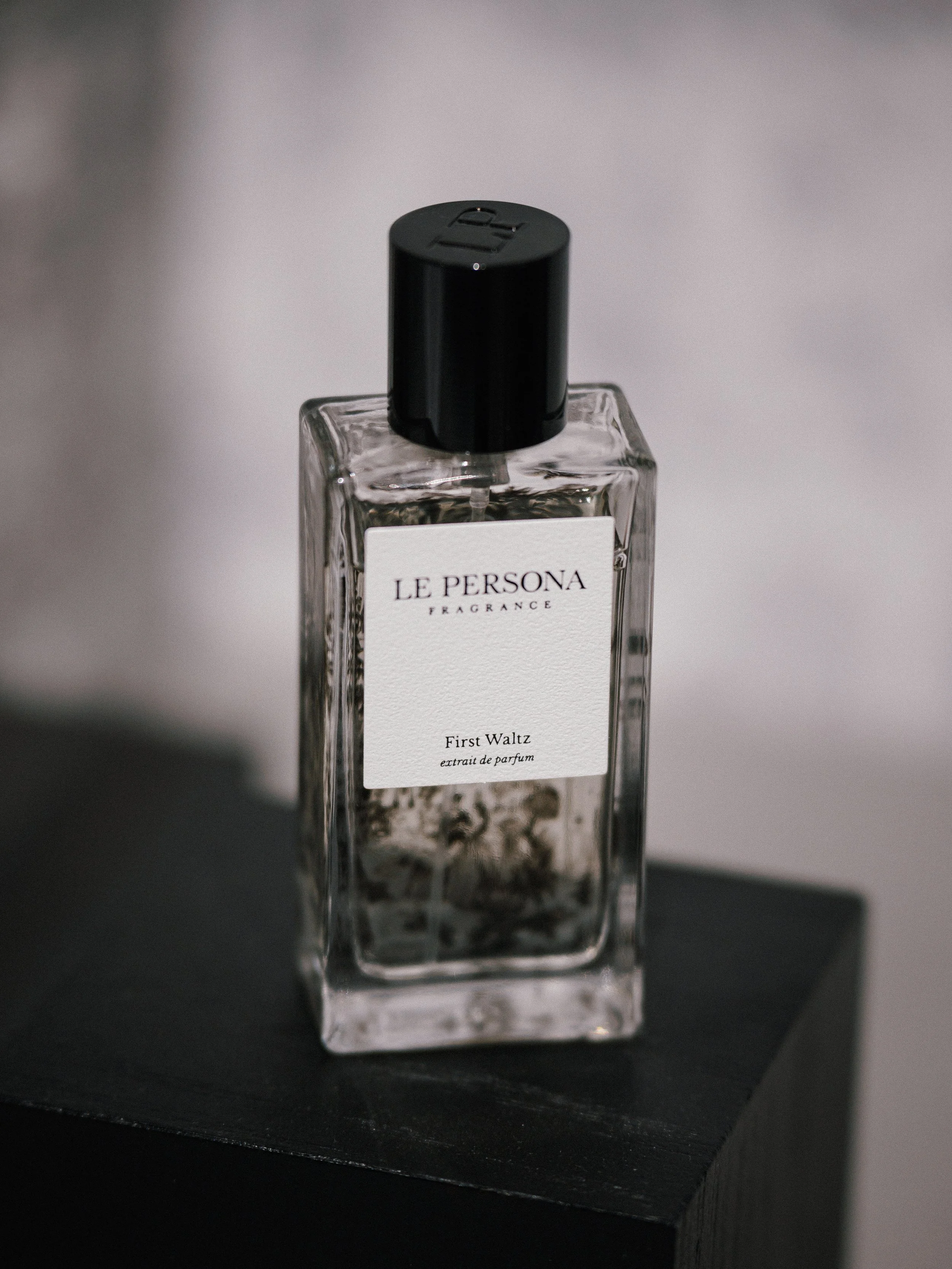
Korean perfume house Le Persona previewed First Waltz, a new fragrance scheduled to launch in mid-October.
Romantic and understated, First Waltz builds around a soft rice accord accompanied by a delicate lactonic quality. Creaminess is present, but transparency prevents the composition from becoming heavy. The result sits somewhere between a gourmand and a skin scent: airy, dreamy and quietly comforting.
At a time when gourmand perfumery frequently seems determined to become sweeter and louder, First Waltz takes the opposite approach. Its edible qualities are suggested rather than amplified, creating a fragrance that feels gentle and almost weightless.
ANTI – Kleopatra
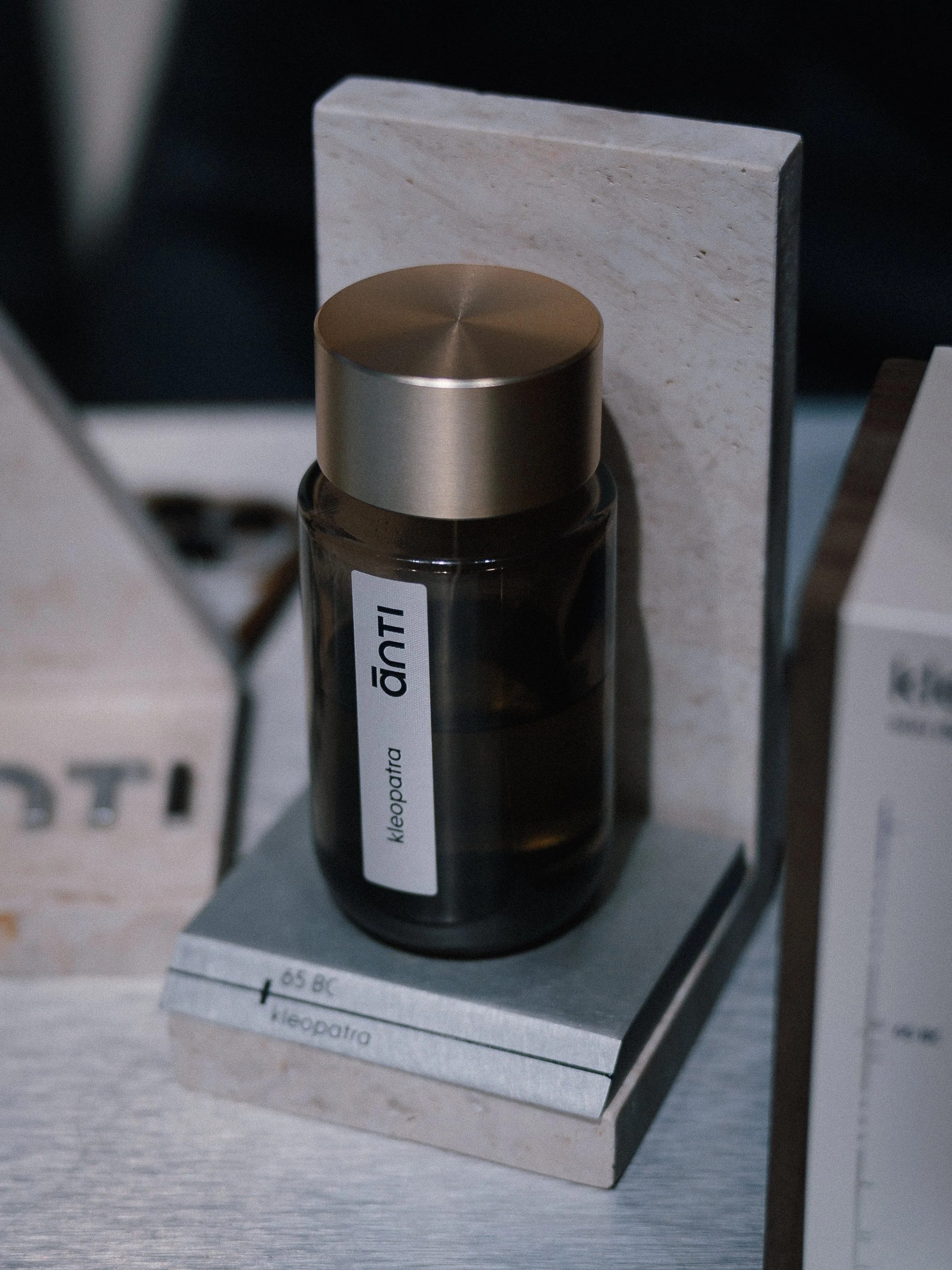
Another notable discovery for me was ANTI, a house that arrived in Florence with its newest creation, Kleopatra.
The fragrance combines almond and vanilla within a milky, enveloping composition. Rather than emphasizing sugar, Kleopatra focuses on texture: creamy, powdery and warm, with the feeling of softness being as important as any individual note.
While Kleopatra was the immediate standout, the wider ANTI collection also deserves attention. The quality across the range makes this a house worth exploring beyond its latest launch. I definitely loved smelling all of them and I am sure I will try to spend more time with these scents.
Initio – Oud for Grace
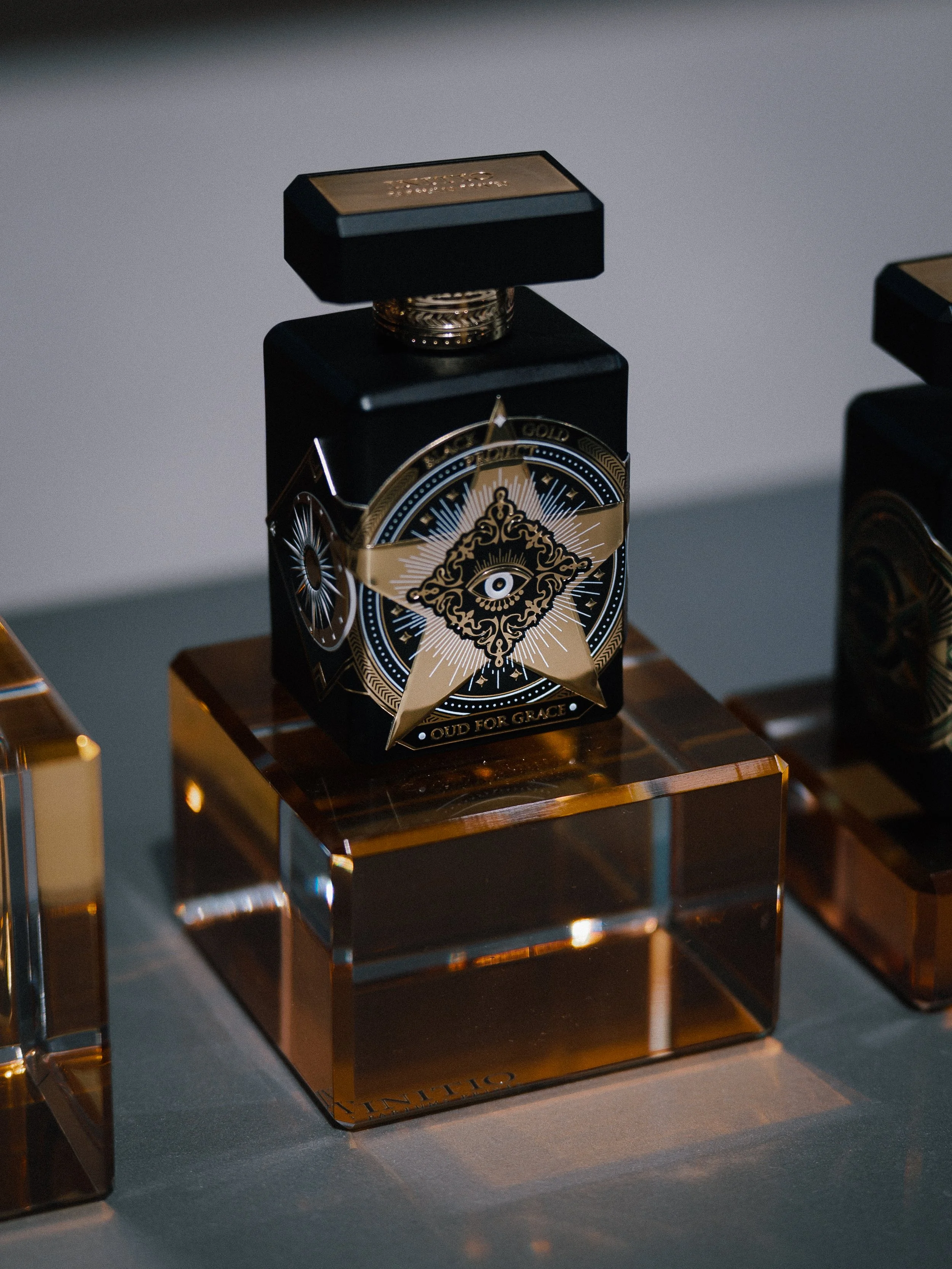
Among the more established names exhibiting at Pitti was Initio Parfums Privés, presenting Oud for Grace, the latest addition to the Oud for Greatness universe.
The relationship to the original is immediately apparent. Oud for Grace retains the recognizable, modern oud signature of Oud for Greatness, but turns down some of its volume.
Praline and vanilla soften the spicy character, giving the composition a warmer and smoother profile. It remains powerful, but feels more restrained than its predecessors.
Those who found previous iterations of the Oud for Greatness DNA too assertive may find Oud for Grace a more approachable interpretation.
Carthusia – Nero
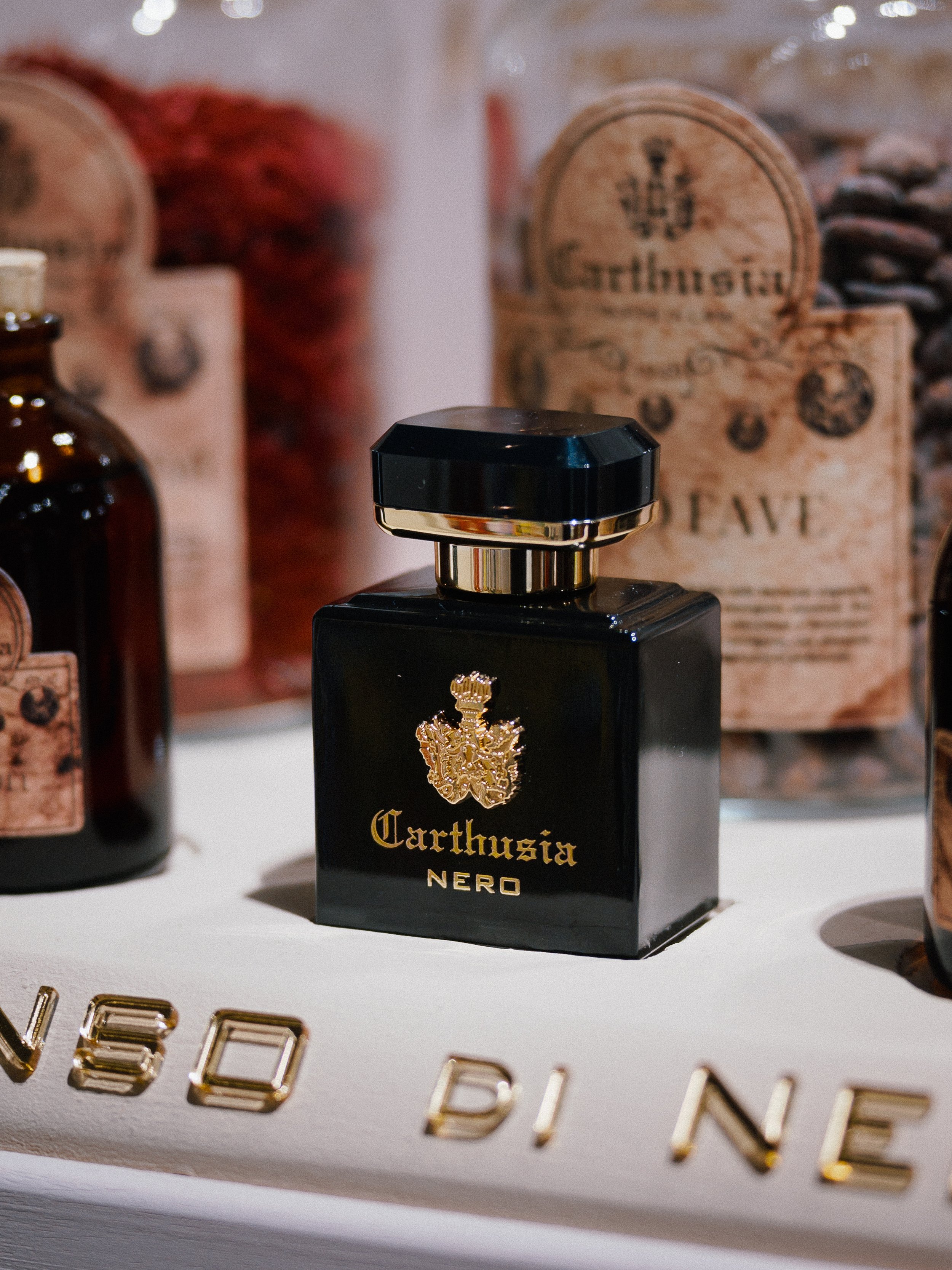
At Carthusia, attention turned to the Intenso Collection and its newest addition, Nero, created by perfumer Meo Fusciuni.
Dark and rich, Nero combines cocoa, raspberry and vanilla around leather and amber. There is a recognizable dramatic quality to the composition that makes Fusciuni's involvement unsurprising: sweetness here is surrounded by darker, denser materials rather than presented as straightforward gourmand pleasure.
Yet another fragrance in the collection proved equally compelling to my taste, for entirely different reasons.
Mirto, composed by Antoine Lie, offers a soft and musky interpretation of myrtle with an almost earthy character. Where Nero seeks intensity and contrast, Mirto is quieter and more textural. It was one of the understated discoveries for me.
Organ Tale – Paradise in Gangwon
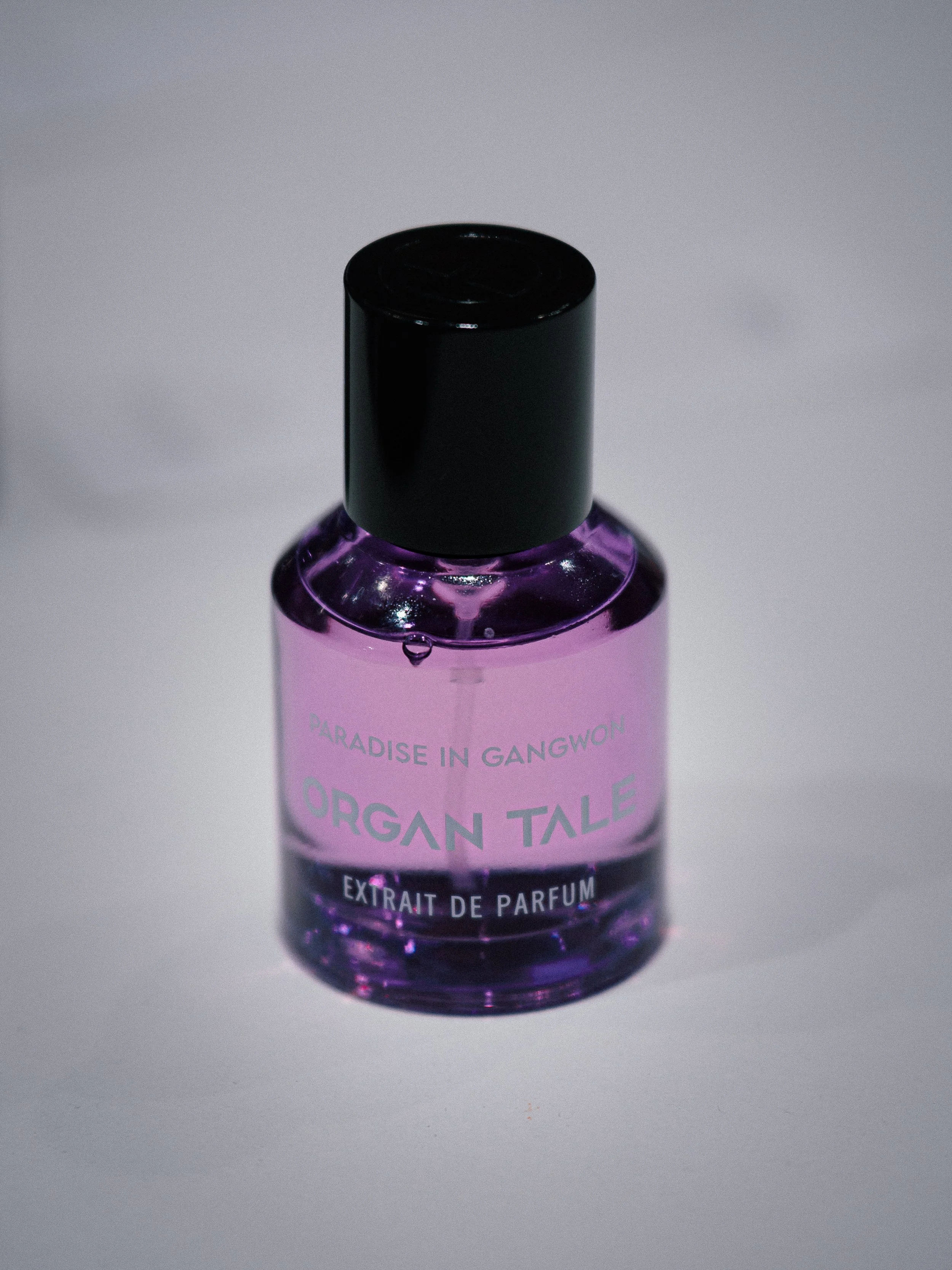
Korean house Organ Tale introduced its newest fragrance at Pitti Fragranze, Paradise in Gangwon, created by perfumer Antoine Cotton – and it may be the brand's most compelling creation so far, to me at least.
The composition plays with an unusual contrast between freshness and earthiness. Fruity and ozonic facets create a sense of open air and humidity, while earthy nuances emerge underneath, including the unexpected presence of mushroom.
On paper, mushroom might suggest something challenging or overtly experimental. Here, however, it adds texture rather than dominating the fragrance. There is a damp, almost soil-like quality beneath the brighter opening, giving Paradise in Gangwon a feeling of nature that is not overly polished or idealized.
It is an interesting composition precisely because it manages to feel conceptual without becoming difficult to wear.
Coreterno – Café Memoria
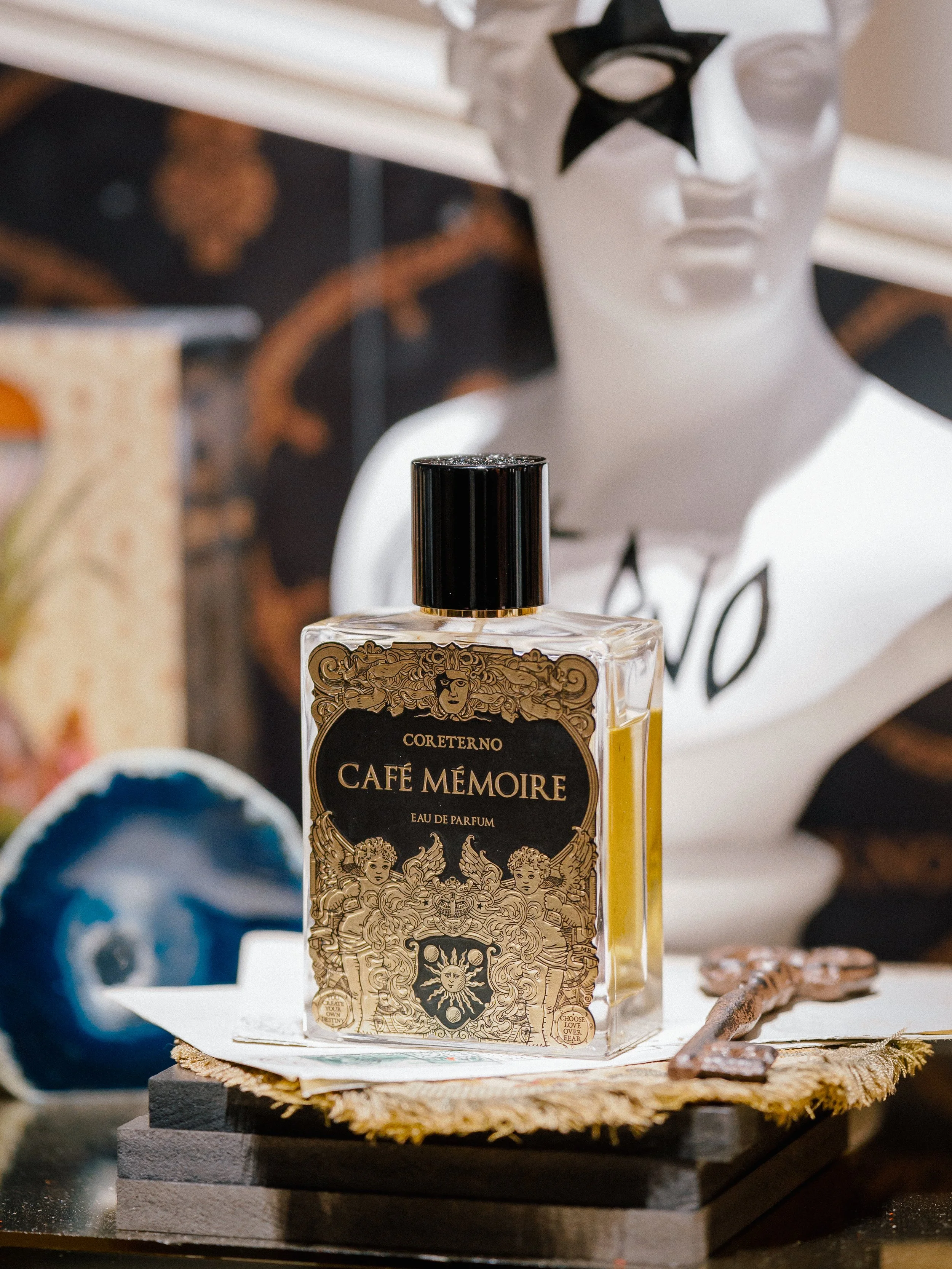
Coffee appears to be having another moment in perfumery. Within the space of just one week, Nectar Olfactif introduced Café Gourmand, Dusita unveiled Mocha Absolu, and at Pitti Fragranze, Coreterno presented its own interpretation: Café Memoria.
For coffee lovers like myself, this sudden abundance is hardly bad news — particularly when brands find a way to move beyond the obvious roasted-coffee accord. Café Memoria does exactly that.
This is not the smell of a bitter espresso or freshly ground black coffee. Coreterno takes the sweeter route, imagining coffee topped generously with whipped cream. Yet the gourmand softness comes with a darker contrast: ash and frankincense bring a distinctive smokiness to the composition.
The result is a sweet, smoky gourmand where the warmth feels almost physical. Café Memoria evokes a cup of coffee served almost dangerously hot — creamy and inviting, but still steaming, threatening to burn the tongue with the first sip.
With so many coffee fragrances arriving almost simultaneously, standing out requires more than simply recreating the drink. Café Memoria finds its twist in that collision of creamy sweetness, smoke and heat.
Istituto dell'Odore shows another side of Meo Fusciuni
Meo Fusciuni, while presenting his name collection at Pitti, also appeared in the fair through a very different project: Istituto dell'Odore.
The collection consists of five fragrances centered around immediately recognizable olfactory subjects: Banana, Vanilla, Incense, Iris and Mandarin (Clementine).
The concept is intentionally direct. Rather than constructing complicated narratives around the ingredients, the fragrances offer relatively linear interpretations of their namesakes.
Vanilla was my favorite of the five, with an appealing simplicity that suited the concept particularly well. The rest of the collection may prove more divisive, particularly for those accustomed to the darker and more introspective work associated with Fusciuni.
Still, Istituto dell'Odore was widely discussed around the fair. Its straightforward language, playful identity and easily understandable compositions could also introduce Fusciuni's work to an audience quite different from the one traditionally associated with his eponymous house.
Antonio Alessandria explores contradiction with Aporia
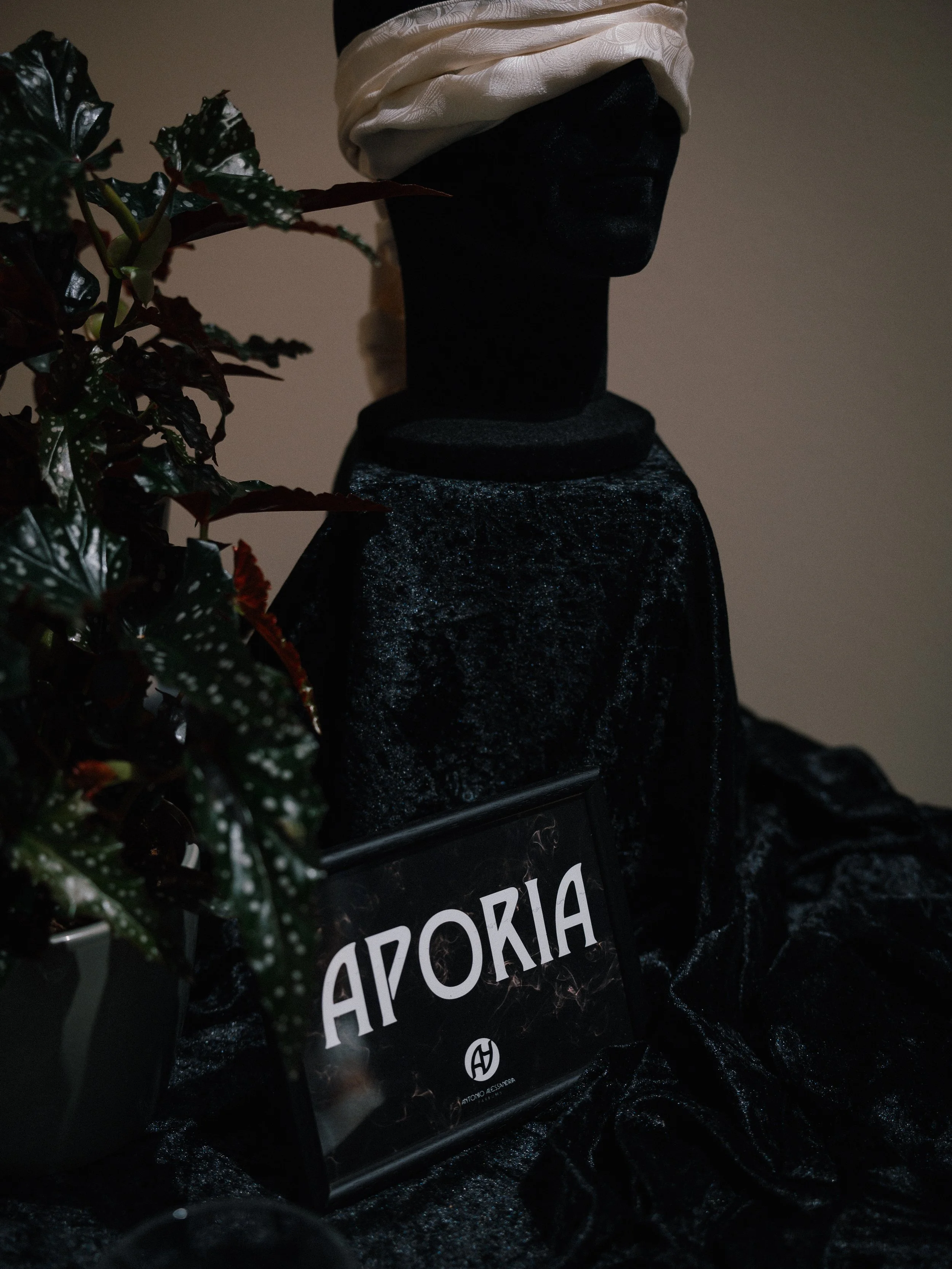
Sicilian perfumer Antonio Alessandria offered a preview of an upcoming creation, Aporia.
The concept takes its name from a state of contradiction or impasse in thought: knowing that something is beneficial while experiencing it as painful, for example, or being drawn toward something despite knowing it may be harmful.
Alessandria translates that tension into an appropriately dark composition.
Aporia is ashy and intense, yet sweetness emerges through the darkness, with dark chocolate adding richness to the composition. The contrast between bitterness, smoke and sweetness gives the fragrance an unsettling but magnetic quality.
It was among the most distinctive previews presented in Florence and one to revisit when the fragrance reaches the market.
HB:RN: a Korean discovery still waiting for Europe
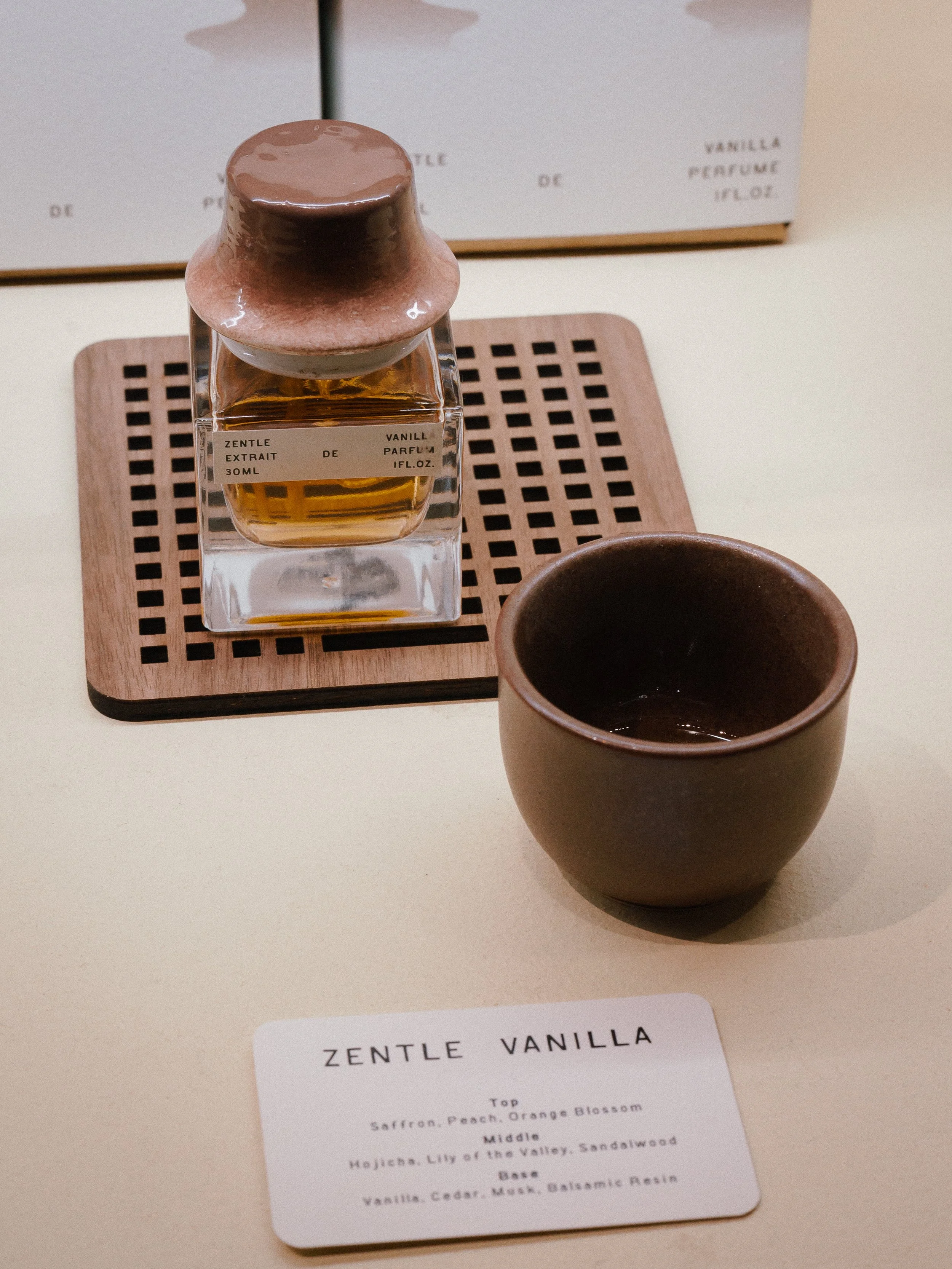
Some of the most interesting discoveries at perfume fairs come from brands with virtually no international presence. At Pitti, HB:RN was one of them.
The young Korean house presented a collection inspired by different teas, with a remarkably consistent quality across the range. Particularly memorable was its vanilla composition, which stood out even within a fair where vanilla remains almost impossible to escape.
For now, discovering HB:RN comes with a complication: information about the house remains scarce and the perfumes are not currently available in Europe.
Pitti Fragranze is, of course, not only a showcase for consumers and media but an important meeting point between brands, retailers and distributors. HB:RN's presence in Florence may therefore prove significant if it helps the young house move beyond its home market.
For European fragrance enthusiasts, it is a name worth remembering.
Kuoca – perfume as fine cuisine
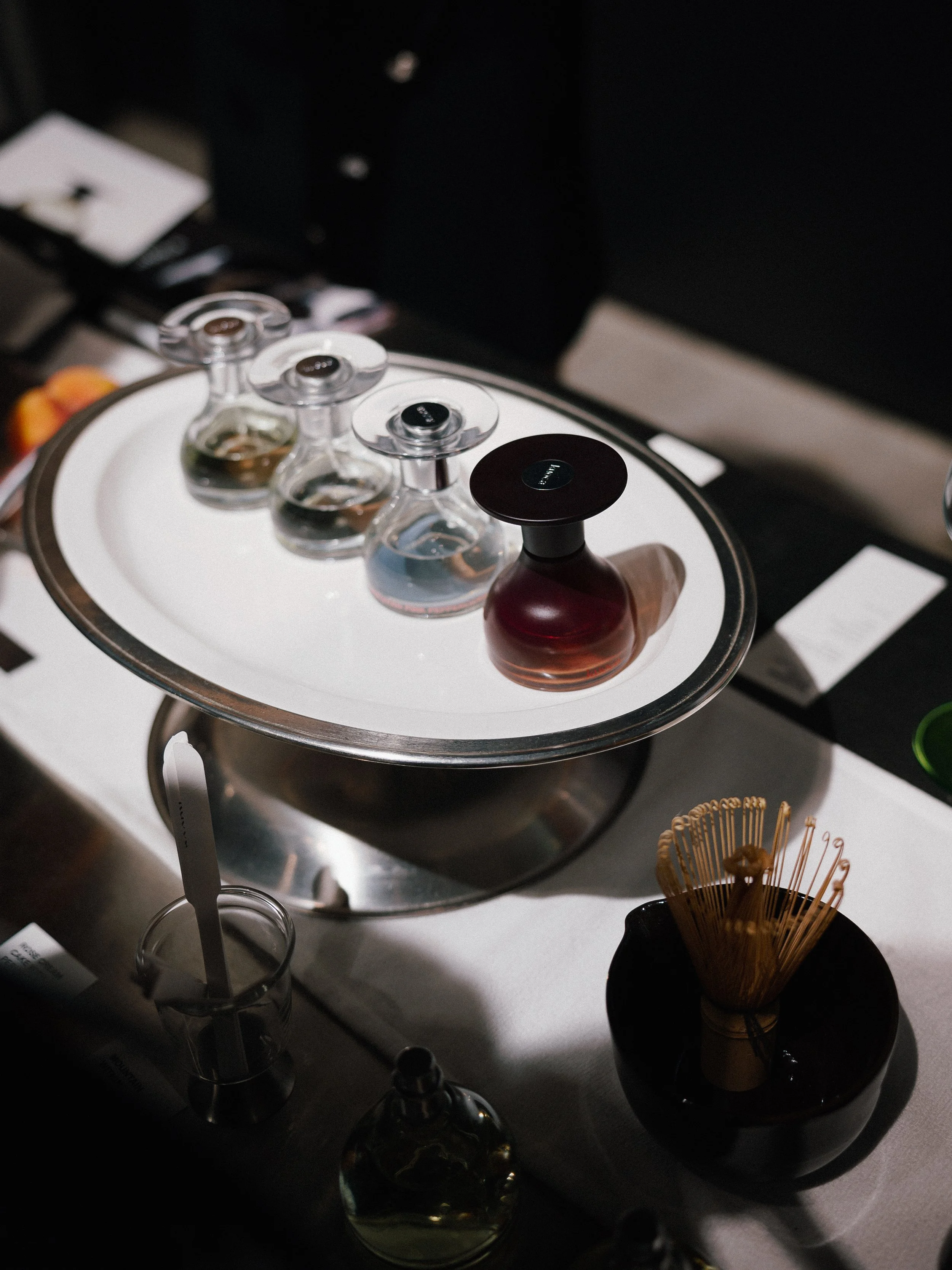
Another Korean brand made a particularly strong impression through both fragrance and presentation.
Kuoca approaches perfumery through the language of fine cuisine, carrying the concept throughout its visual identity and Pitti presentation. Perfumes are presented as a menu, while blotters shaped like forks and knives turn smelling into something resembling a tasting experience.
It could easily have become a case of presentation overshadowing perfume. Fortunately, the fragrances support the concept.
Many lean towards gourmand and dessert-inspired territories, but sweetness is carefully controlled. Rather than reproducing desserts literally, Cuoca treats gourmand materials more like ingredients in a carefully constructed dish.
Richness is there, but so is balance. In an increasingly crowded gourmand category, Kuoca demonstrates that edible inspiration does not necessarily require maximal sweetness.
WOHA translates architecture into fragrance
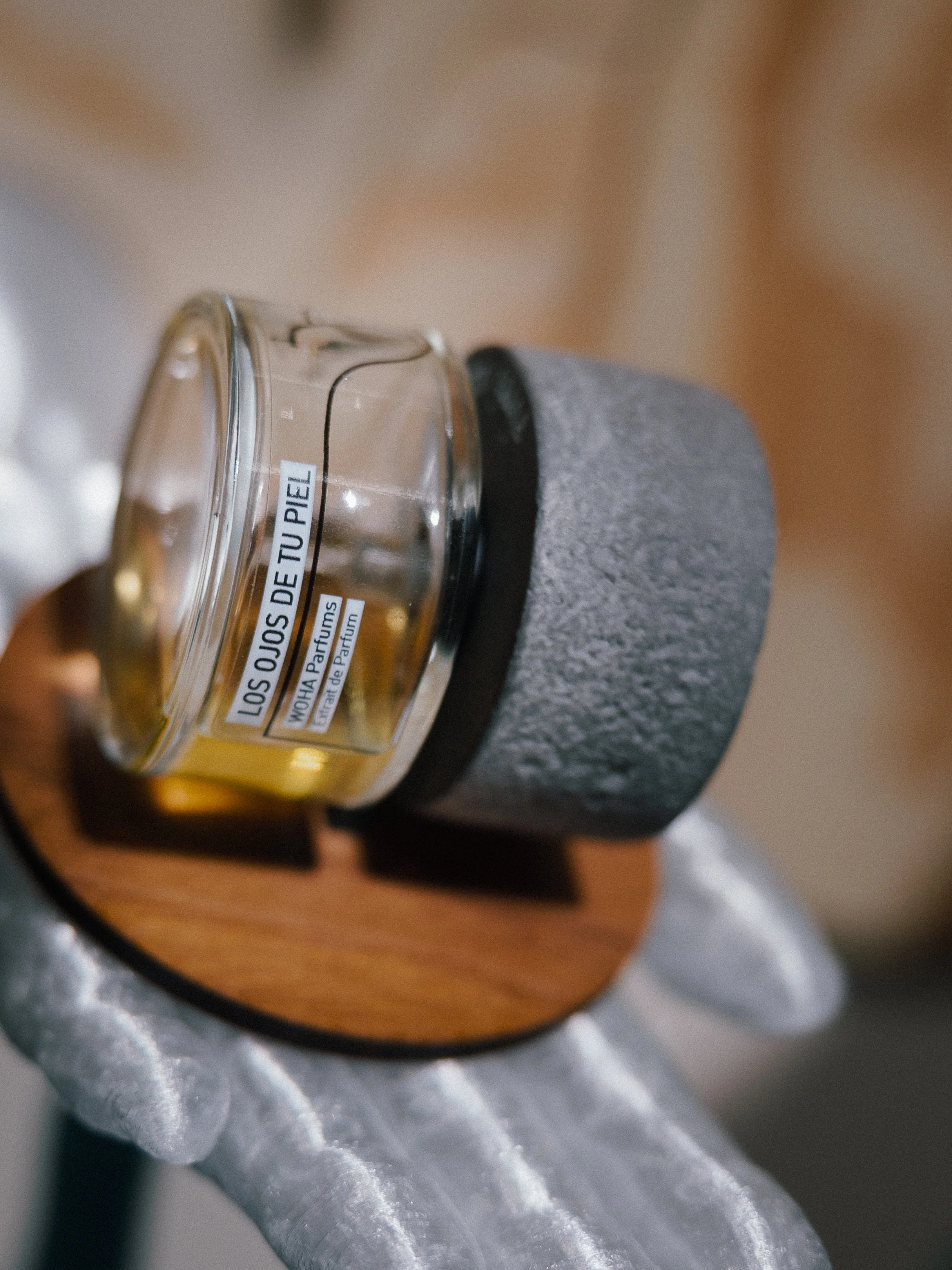
One of Pitti's more conceptual discoveries came from an unexpected field: architecture.
Spanish architecture studio WOHA has expanded into fragrance with perfumes inspired by its buildings, attempting to translate physical spaces, materials and atmosphere into scent.
The resulting fragrances are deliberately conceptual rather than universally pretty. One composition even includes a gasoline accord among its listed notes.
Not every composition will necessarily invite effortless daily wear, but that hardly seems to be the point. At a trade show filled with hundreds of fragrances competing for attention, WOHA succeeded in creating something that encouraged a second look — and a second smell.
Sora Dora – Raphael
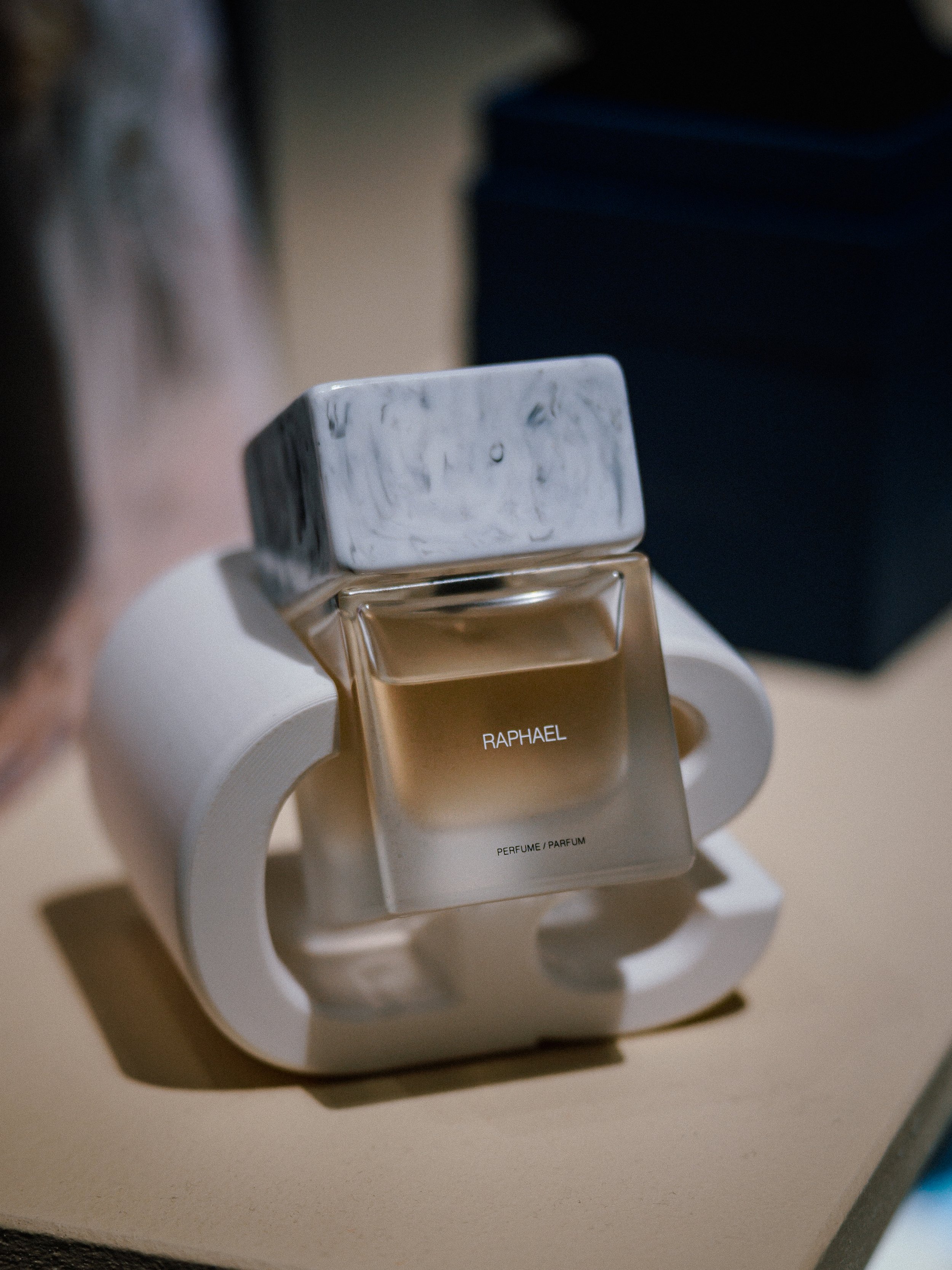
Raphael, the latest release from French house Sora Dora, stole my nose for sure – the whole three days of the fair I kept coming back to it to smell it once more.
Raphael does not necessarily introduce an olfactory idea that has never been encountered before. Its strength lies in execution instead.
White florals meet soft, powdery musk in a composition that feels clean, fresh and polished without slipping too far into detergent territory. There is an effortless quality to it: smooth, immediately pleasurable and remarkably easy to return to.
Raphael is a reminder that complex concepts is not the only measure of a successful fragrance. Sometimes, something familiar done exceptionally well is enough.
———
With 290 exhibitors, the most memorable discoveries do not necessarily come from the biggest launches or the booths attracting the largest crowds. They can be an unreleased fragrance offered quietly for a preview, a young Korean house without European distribution, an architect experimenting with scent or simply a beautifully executed perfume that makes you return for another spray.
The 24th edition showed a fragrance industry still heavily invested in gourmand territory, but also increasingly interested in texture, transparency and unconventional approaches to familiar materials.
And after hundreds of blotters, conversations and increasingly exhausted noses, the best measure of a perfume fair remains surprisingly simple to me: the fragrances I’m still thinking about once I have left Florence?