Written by Eveline Nagajeva
My curiosity about Asian perfumery has been growing for some time. After discovering several houses at European perfume conventions, where more and more Asian brands have begun to appear, I found myself increasingly drawn into this world. Exploring it feels like looking through a door that has only just begun to open, where everything still unfamiliar creates an irresistible sense of curiosity.
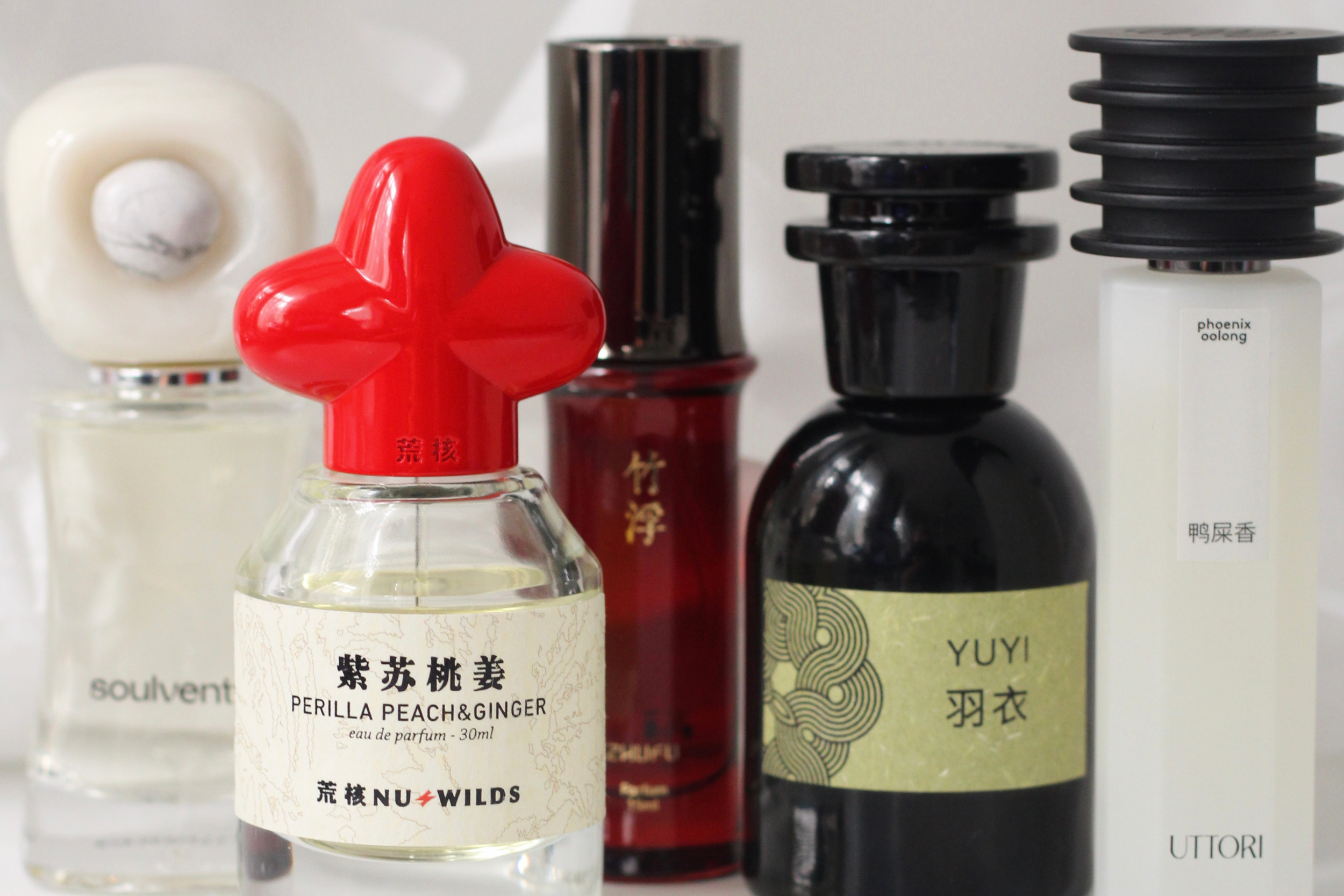
Images by Eveline Nagajeva
There is definitely something happening. The wave of Asian perfumery seems to be growing, and I have a strong feeling it may become one of the next major areas of interest in contemporary fragrance. But these houses do not share one recognizable style, nor should they be treated as a single movement. What connects many of them, at least from what I have tried so far, is a willingness to draw from local memories, traditions, materials, rituals, landscapes, and everyday experiences without always translating them into familiar Western perfume conventions.
Many of these fragrances feel like cultural storytelling through scent. They explore tea rituals, incense, rice, herbs, flowers, woods, mountain air, rain-soaked forests, ceremonial objects, and traditional materials as living parts of memory and identity.
Of course, this does not apply to every Asian brand. Some houses clearly create with European, Middle Eastern, or American markets in mind and follow global trends very closely. But the fragrances that interest me most are the ones that begin from within their own culture.
From what I have noticed so far, many of these fragrances try to recreate natural and culturally familiar smells with great precision, while much of classical European perfumery has historically leaned more toward fantasy, abstraction, or emotional interpretation. What I find especially interesting is how these houses bring forward materials and references that feel different from the classical European perfume vocabulary. And after years of sweet, dense gourmands and loud fragrances dominating the market, this approach feels like a breath of fresh air and a reconnection with nature.
In collaboration with the online store baroma Asia, whose carefully curated selection of Asian perfume houses is available worldwide, I had the chance to discover several remarkable Chinese brands I wanted to share. Through them, I found some of the most interesting tea, green, aromatic, and atmospheric fragrances I have tried recently.
ZHUFU — Aged Pu-Er Tea
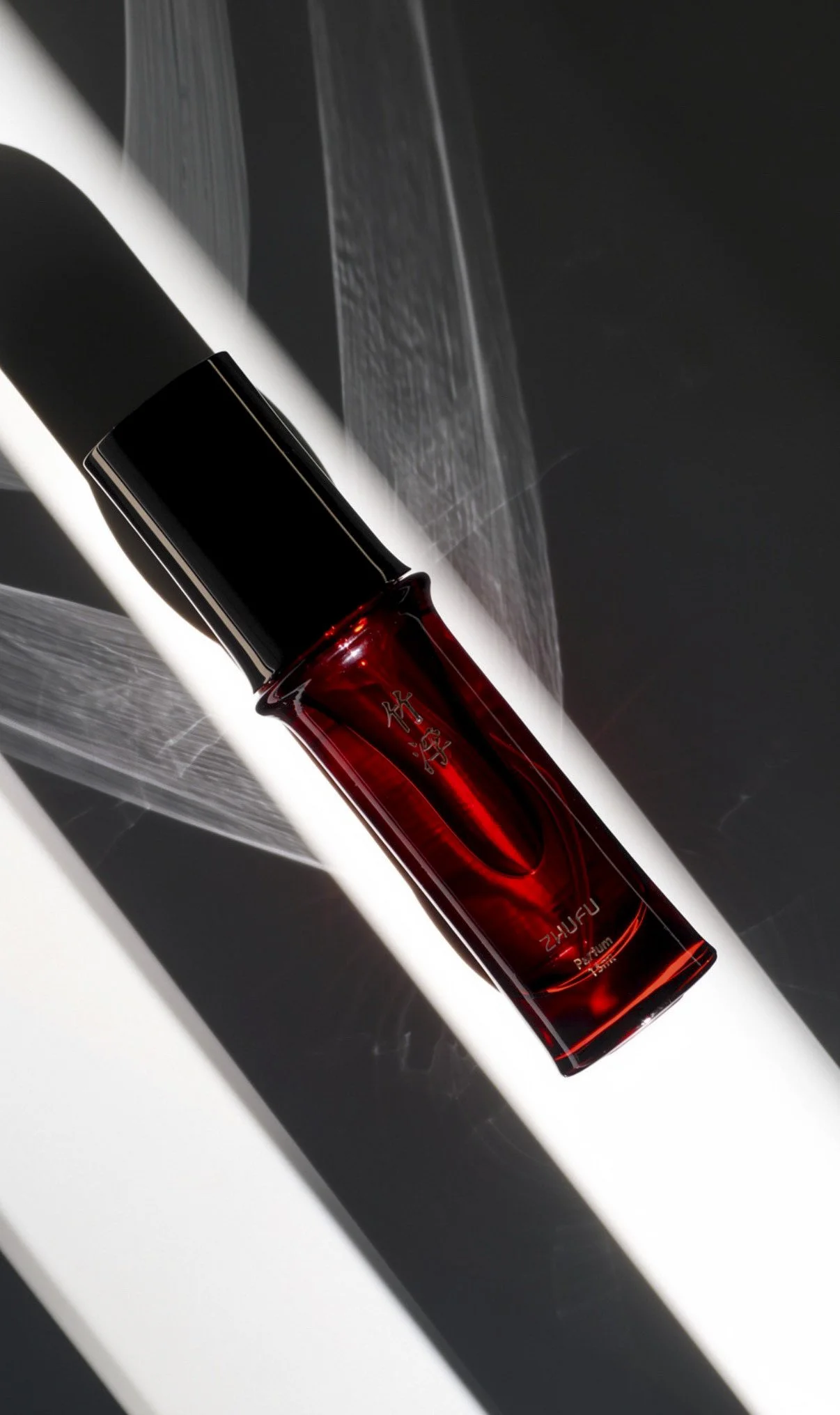
One of the most beautiful tea fragrances I have tried is Aged Pu-Er Tea from ZHUFU. And perhaps that is no surprise — who could approach the traditions around tea better than a Chinese perfume house?
ZHUFU is a Chinese brand whose name echoes the word “blessing.” Bamboo is central to its world, appearing not only in the bottle design, but also as a cultural symbol associated with longevity, resilience, and good fortune in Chinese culture.
Aged Pu-Er Tea is dedicated to pu-erh, a tea surrounded by deep cultural history and traditional beliefs. In the fragrance, this idea is reimagined through tea, bright citrus, vetiver, and woods. What I notice most is the smell of green tea, slightly reminiscent of jasmine green tea, with smoky facets from vetiver and fresh, invigorating citrus.
Zhiwuzhi — Yuyi
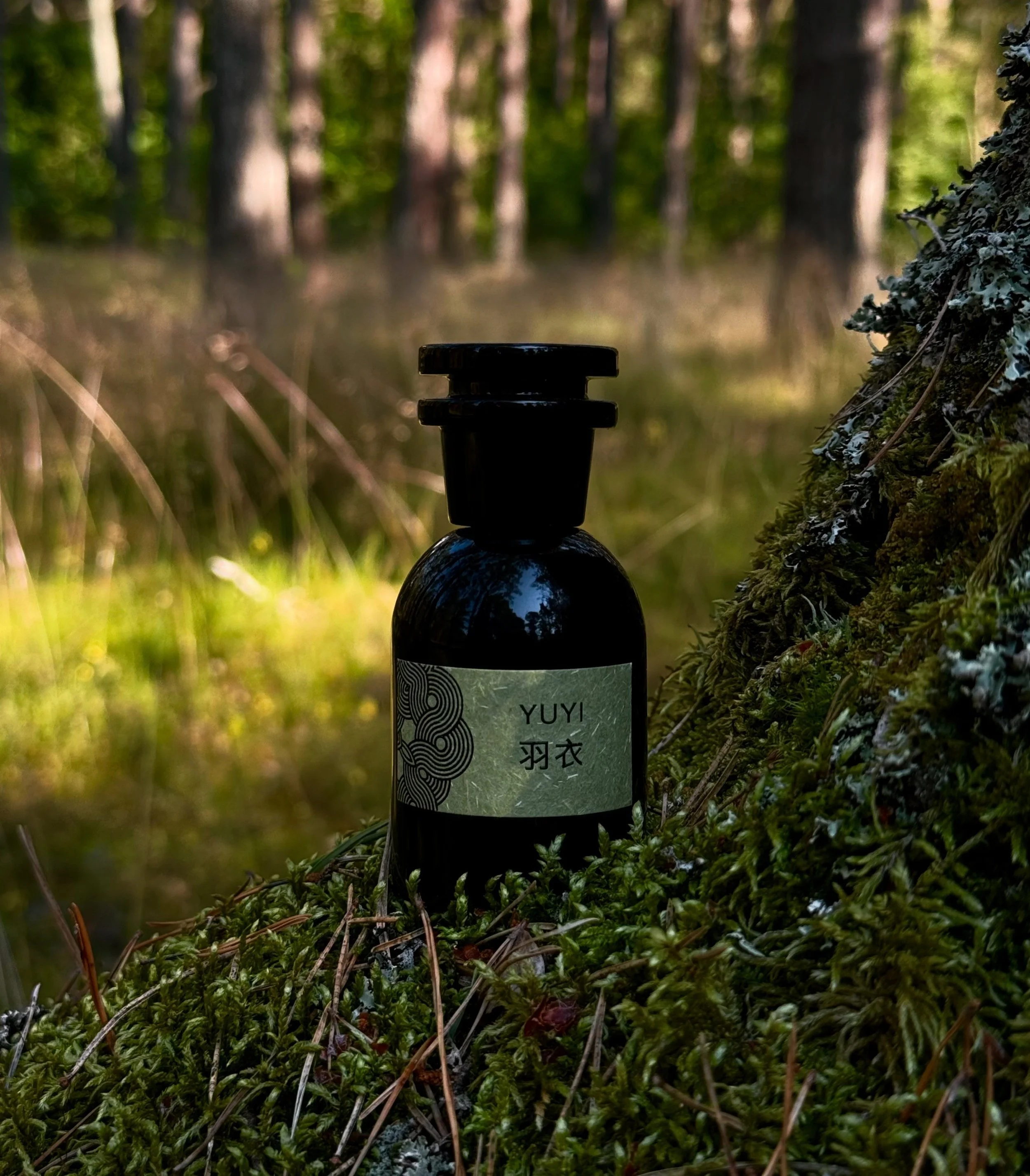
Zhiwuzhi is built around Chinese scent culture, incense, tea rituals, herbs, woods, medicinal plants, and Eastern wellness traditions.
Yuyi, meaning “feather robe,” refers to the classical Chinese image of celestial clothing worn by immortals or heavenly dancers. The fragrance translates this idea into a green, aromatic composition of citrus, pine needle, rhubarb, fig, galbanum, woods, and moss.
To me, it smells like vibrant green moss after a full day of rain. There is tart rhubarb, earthiness, and a deep damp greenness running through the composition.
It feels like walking through a mossy forest after the rain, when the air is wet, the ground is soaked, and everything smells alive. It has texture, moisture, and an almost tactile feeling of moss, leaves, and wet soil.
NU Wilds — Perilla Peach & Ginger
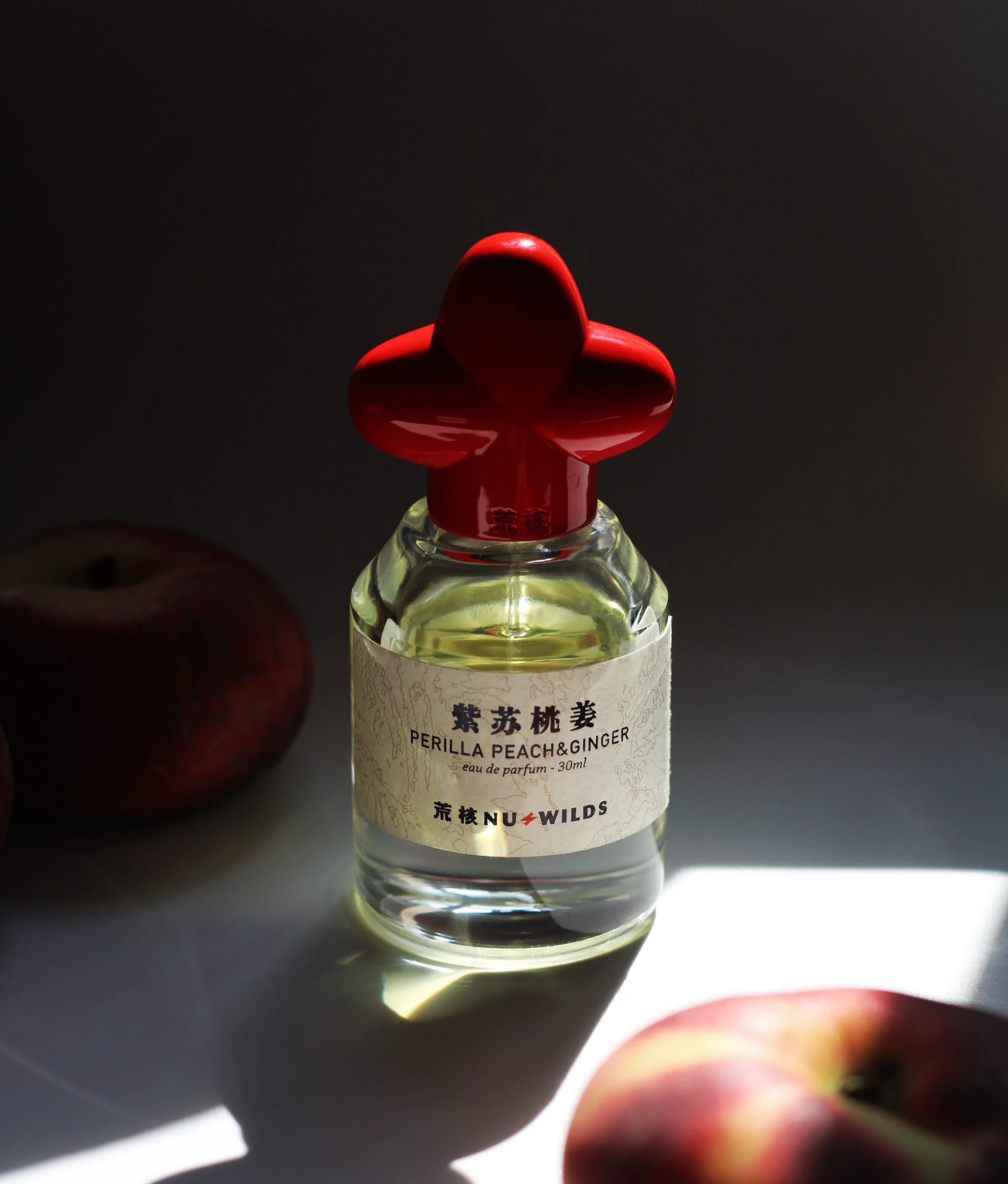
NU Wilds is an independent Chinese fragrance house founded in Shanghai by two creators with backgrounds in visual design and fine art. This artistic background is reflected in the brand’s contemporary bottle design, which immediately caught my eye.
With Perilla Peach & Ginger, NU Wilds offers an unusual interpretation of peach. Inspired by a refreshing summer specialty from Hunan made with lime, aromatic herbs, and honeyed fruit, the fragrance avoids the usual syrupy sweetness often found in peach compositions.
Here, peach feels green, herbal, and refreshing. Perilla, an aromatic herb from the mint family widely used in East Asian cooking, gives the fragrance a sharp green character, amplified by bitter citrusy lime and spicy ginger.
The peach itself feels watery, delicate, and slightly floral, like an unripe fruit picked a little too early, with a few blossoms still attached. It smells wonderfully natural, fresh, and invigorating.
Uttori — Phoenix Oolong
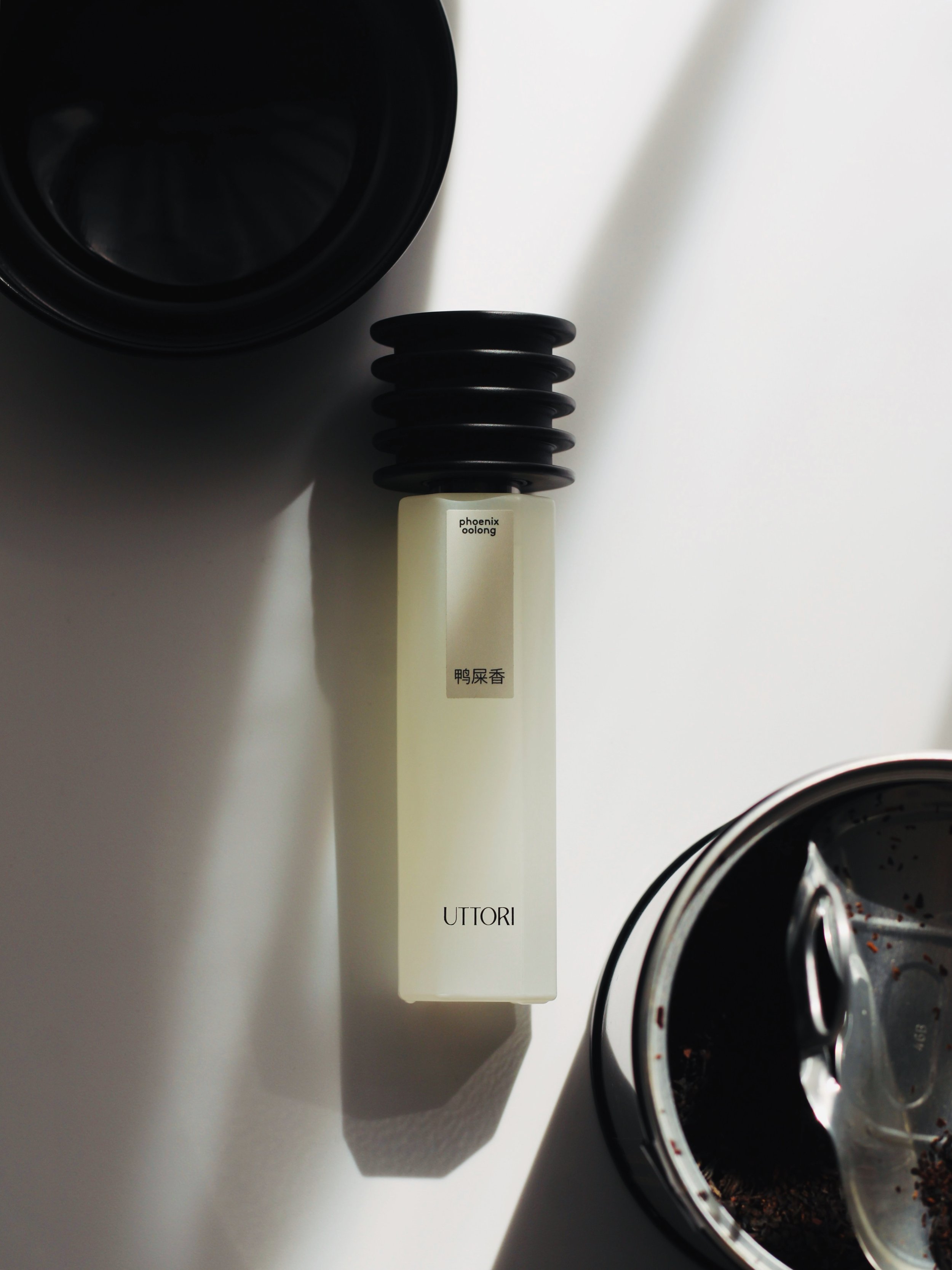
Uttori explores Chinese plants, flowers, landscapes, and traditions through modern fragrance compositions. Tea holds an important place in Chinese culture, and Phoenix Oolong is one of the house’s most impressive interpretations of this material.
The fragrance is dedicated to Fenghuang Dancong, a highly aromatic oolong from the Phoenix Mountains in Guangdong. Sometimes called the “perfume of teas,” it naturally reveals floral and fruity facets that may suggest honey, orchids, gardenia, ripe fruit, spices, or roasted wood.
Most tea fragrances I have tried are light and transparent, but Phoenix Oolong feels surprisingly bold for the genre. It opens as if you have just lifted the lid from a jar of precious tea leaves that have been resting for years, preserving all their aromatic complexity.
At first, I get citrusy, subtly sweet apricot-like fruitiness, warm spices, and a soft, slightly milky floral facet. As it develops, the tea becomes earthier and smokier, with even a subtle leathery nuance.
Soulvent — Snowy Khata
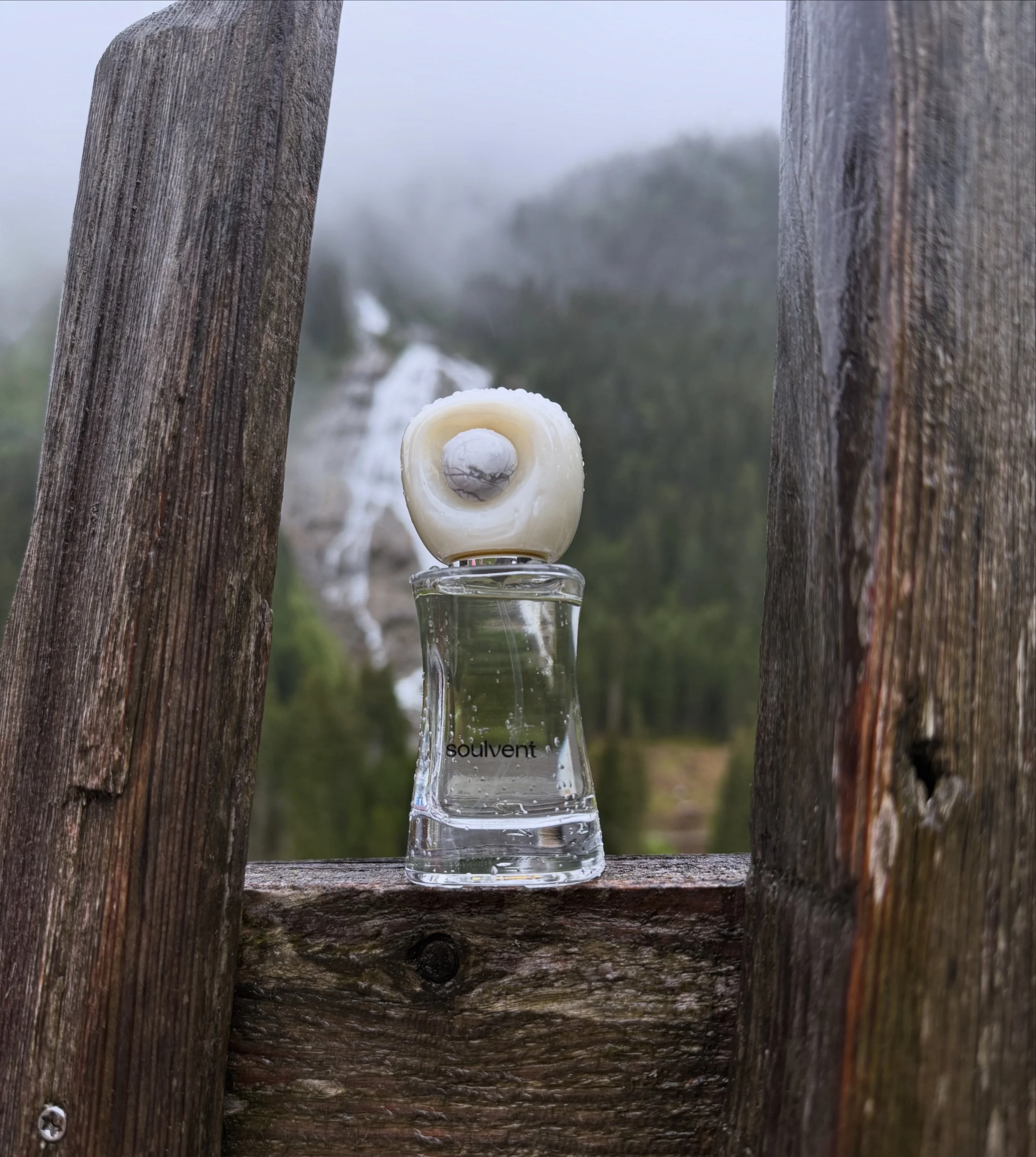
Soulvent is inspired by travel, nature, and memory, turning journeys across China into scented stories.
For Snowy Khata, the house draws inspiration from a white khata scarf floating in the wind of the Tibetan Plateau. A khata is a traditional ceremonial scarf, usually offered during greetings, farewells, weddings, religious ceremonies, and other meaningful moments. It carries wishes of respect, goodwill, blessings, and sincere intentions.
The fragrance captures the purity of falling snow and the stillness of the mountains, serene, airy, and almost sacred.
It opens with white musk and aromatic eucalyptus, creating the feeling of cold snow and crisp mountain air. Floral herbs remind me of plants growing at the foot of the mountains, while sandalwood brings a subtle briny nuance.
———
What makes these discoveries so interesting to me is not only the beauty of the individual fragrances, but the way they approach storytelling. These fragrances often feel rooted in something specific: a ritual, a plant, a place, a memory, or an image from tradition.
That is what makes this exploration so exciting. Asian perfumery, at least through the houses I have discovered so far, opens another way of thinking about fragrance. It shows perfume not only as fantasy or seduction, but also as cultural memory, atmosphere, and lived experience.
Every fragrance feels like a small doorway into a world I still know very little about, but want to understand more deeply.