Paris Perfume Week 2026: Notes from Palais Brongniart
Written by Eveline Nagajeva
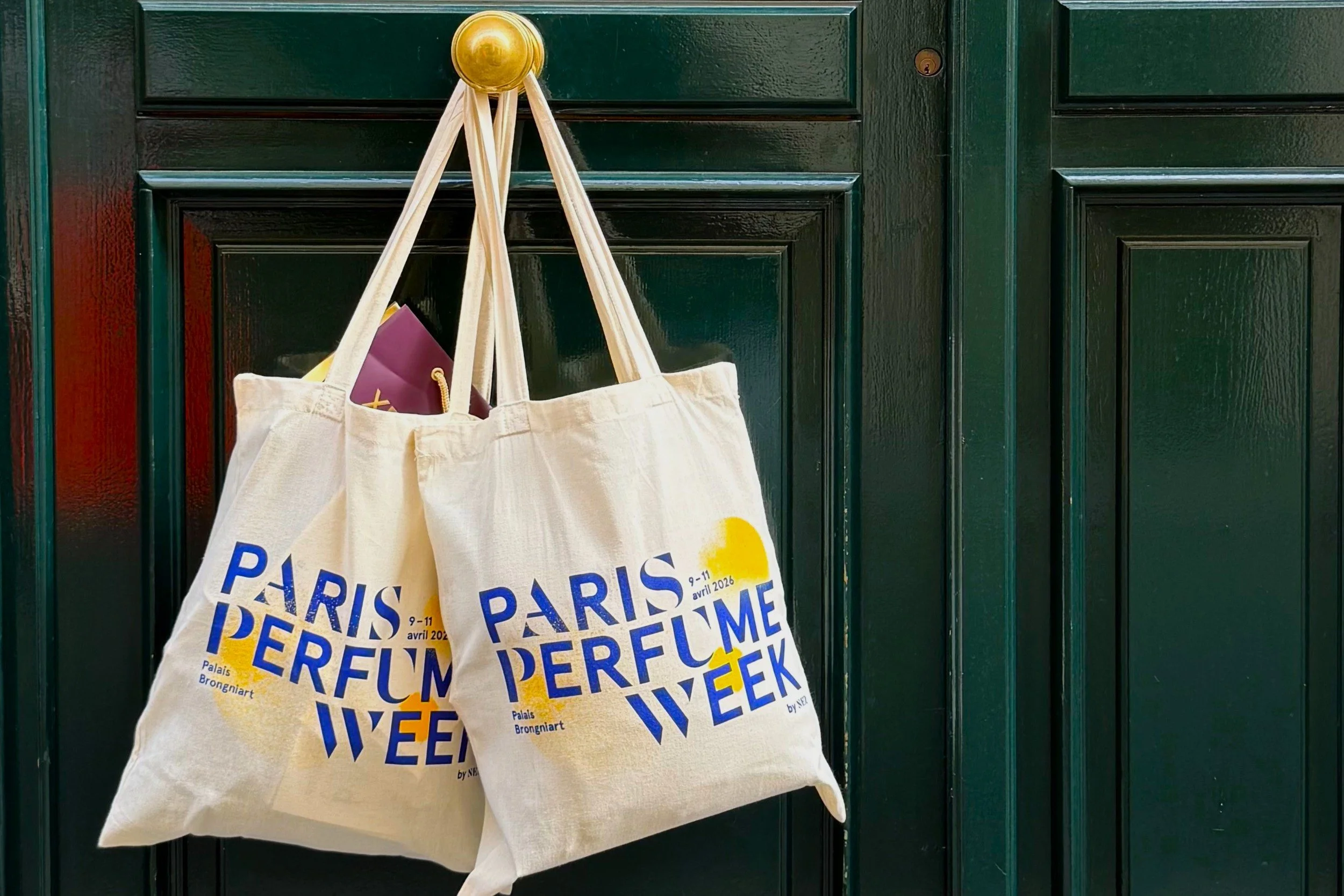
For its third edition, Paris Perfume Week scaled up in every sense and moved into the majestic Palais Brongniart, a setting that felt perfectly suited to the ambition of the event. Grand yet welcoming, it offered a beautiful backdrop for discovering new brands, new launches, and new olfactory ideas from around the world.
Images by Eveline Nagajeva
This year, more than 160 brands were represented, from well-known houses to smaller and emerging names. The program also included many educational smell talks and special exhibition spaces by NEZ, Osmothèque, DSM-Firmenich, Algorithmic Perfumery by EveryHuman, LMR Naturals, Amouage, and others.
One of the exhibitions not to be missed was Osmothèque’s, tribute to legendary perfumers and the iconic creations that shaped the world of fragrance. Presented as L’Empreinte des maîtres, it offered visitors the rare pleasure of experiencing perfume history not through text panels or museum displays, but through scent itself. The concept was to let visitors discover the legacy of the great masters through their creations and the raw materials that defined them. In a fair filled with novelty, it was grounding to return to the foundations of the art.
Visitors had the opportunity to smell Ernest Beaux’s No. 5 for Chanel alongside aldehyde C12, Jacques Guerlain’s Shalimar with Guerlinade, Aimé Guerlain’s Jicky with vanillin, Germaine Cellier’s Vent Vert for Balmain with galbanum, Edmond Roudnitska’s Eau Sauvage for Dior with hedione, François Coty’s Chypre with oakmoss, Paul Parquet’s Fougère Royale for Houbigant with coumarin, Jean Kerléo’s 1000 for Jean Patou with osmanthus, Ernest Daltroff’s Tabac Blond for Caron with mousse de saxe, Jean Carles’s Ma Griffe for Carven with styrallyl acetate, and Josephine Catapano’s Youth-Dew for Estée Lauder.
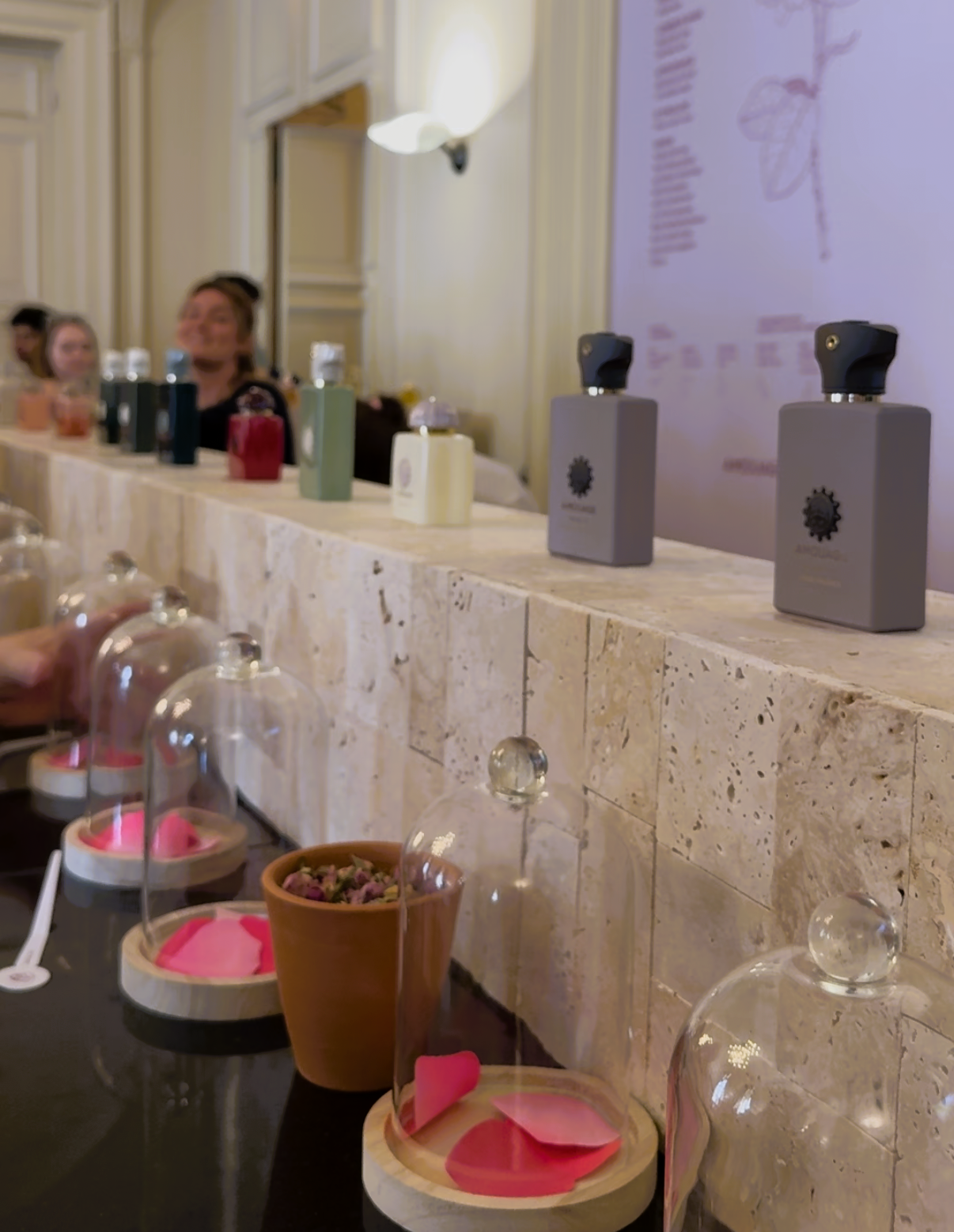
Another standout was Amouage’s exhibition dedicated to the Omani rose. Every March, in the highlands of Jabal Akhdar, harvesters climb the slopes at dawn to gather one of Oman’s most treasured flowers at the moment when its fragrance is at its richest. The petals are then distilled in clay vessels using a traditional method that produces both essential oil and a smoky rose water used in Omani hospitality and cuisine, including qahwa and halwa. Amouage has partnered with local communities to preserve and modernize these traditions, including the creation of a local distillation unit to capture the rose’s most complete olfactory profile. At Paris Perfume Week, the house invited visitors into that living heritage and into the fragrances it continues to inspire.
With the expansion of the event came a sharp rise in attendance. The crowds were real, and very quickly I had to rethink my plan. Instead of trying to smell everything, I focused on booths with manageable lines and on houses that were new to me and had long been on my personal to-try list.
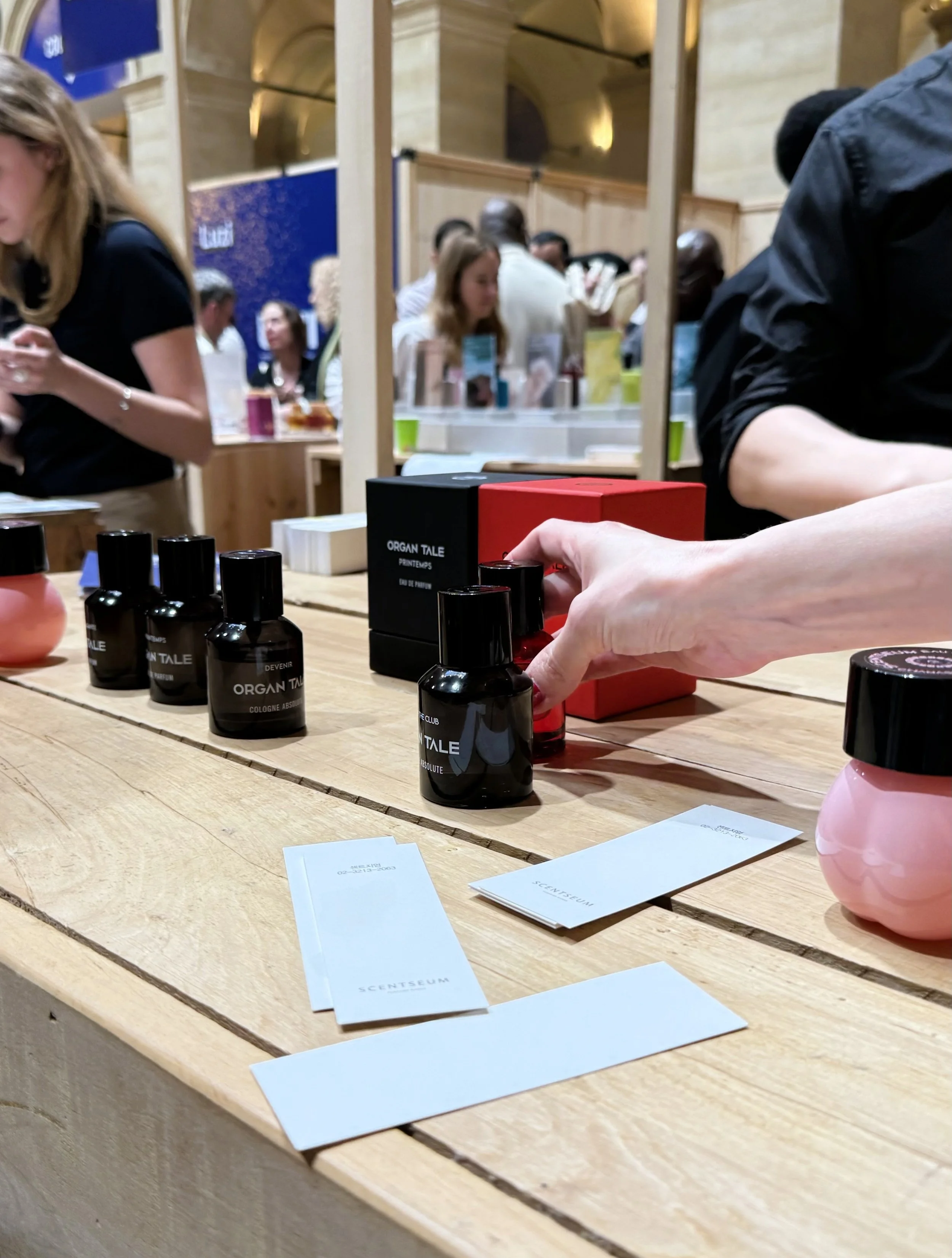
One of my most interesting discoveries was Organ Tale, a young South Korean house. Its collection felt contemporary, moving between airy florals, vivid fruits, woods, and warmer oriental textures The founder, Shim Ilhwa, also presented the playful Scentseum bottles, paired with equally charming fragrances.
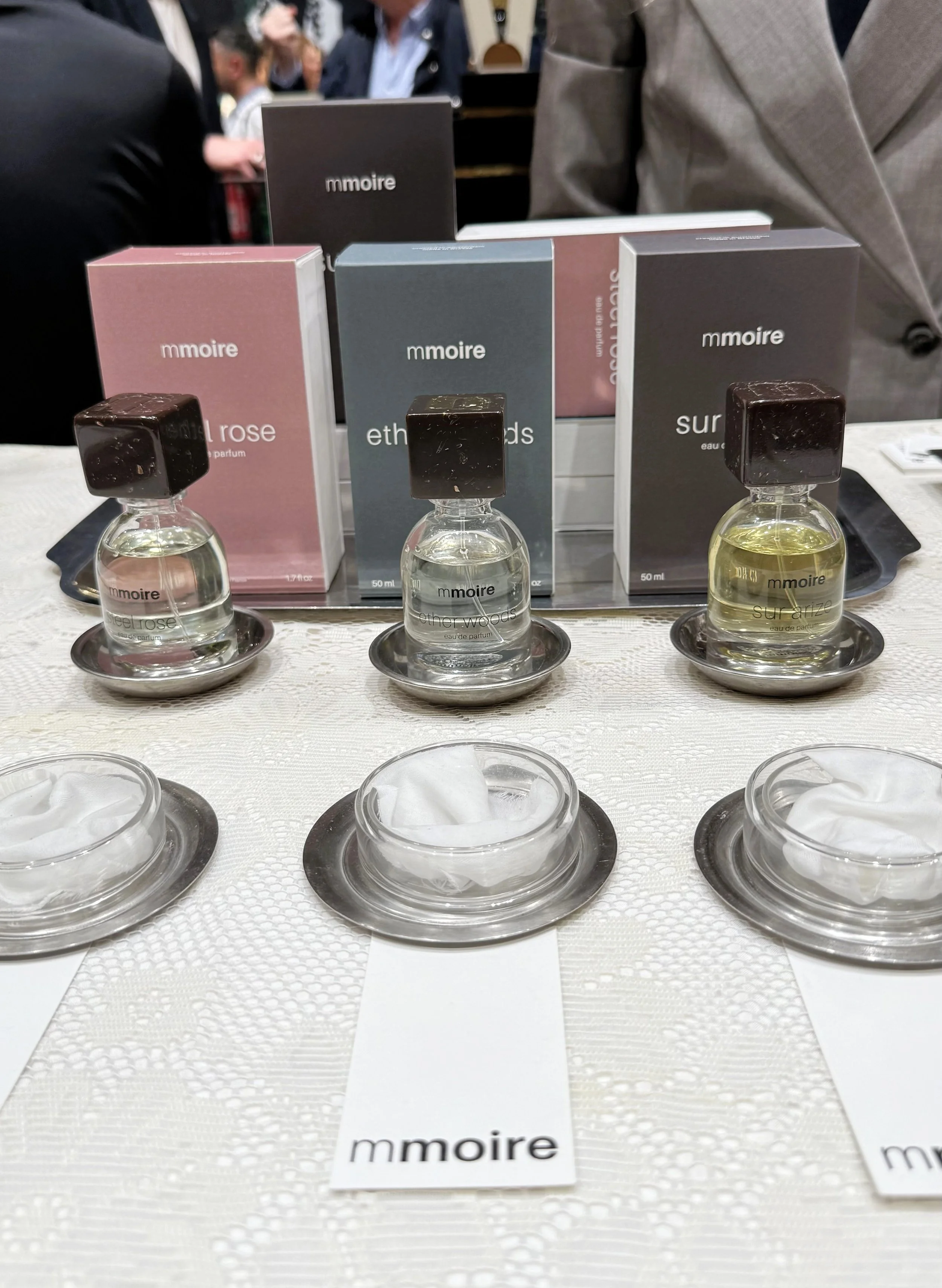
Mmoire, from Amsterdam, also left a strong impression. The house explores the space between memory, mood, and modern perfumery, and the collection felt intimate rather than overexplained. Among the scents presented, the new release Steel Rose totally stole my heart.
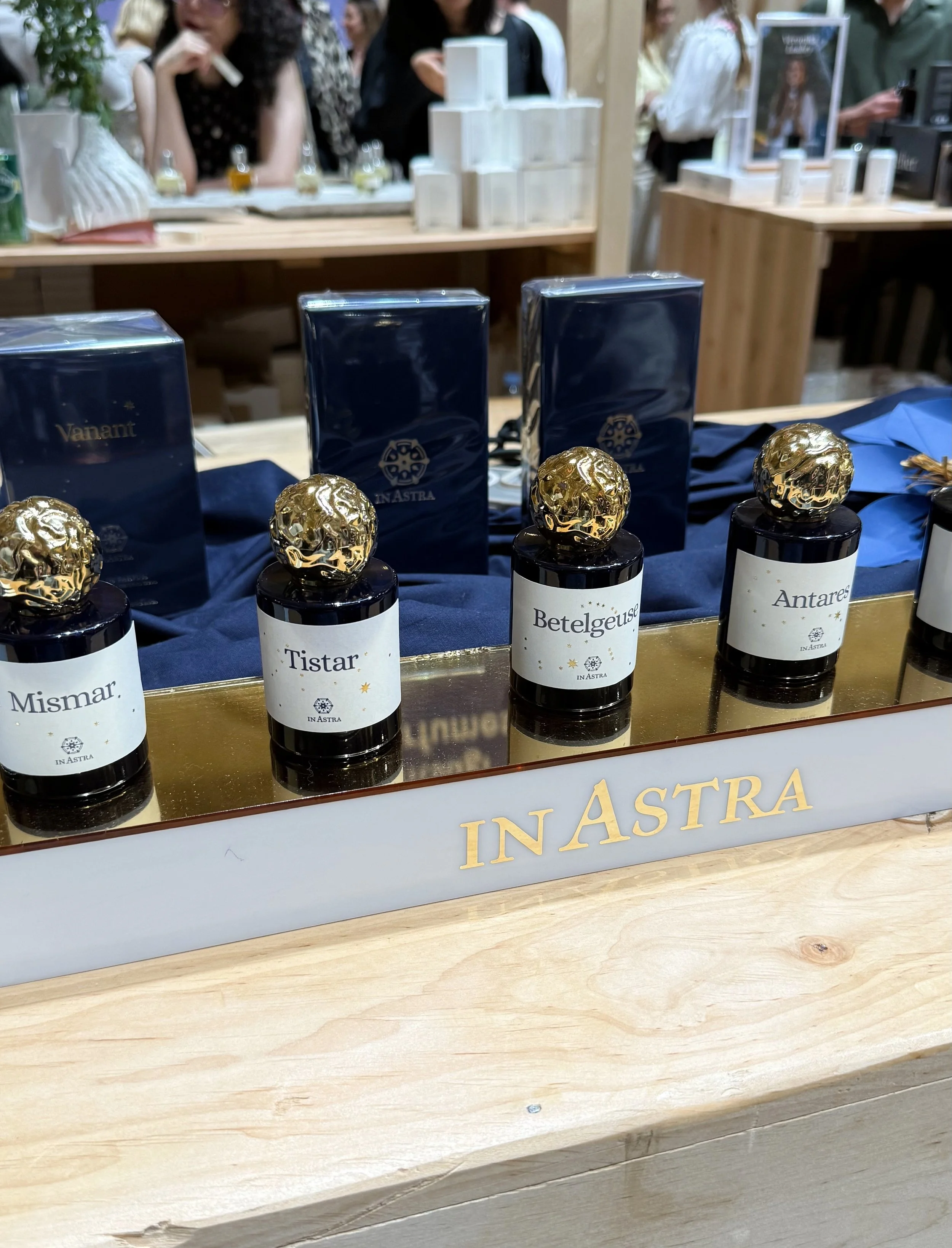
In Astra offered a different perspective. The Italian house builds its universe around the poetry of the stars. My favorite was Betelgeuse, aromatic coriander-iris-and-coffee composition inspired by the red supergiant star in Orion. It has both softness and depth, with a beautiful tension between powdery elegance and darker textures — something that made me fall in love from the very first spray.
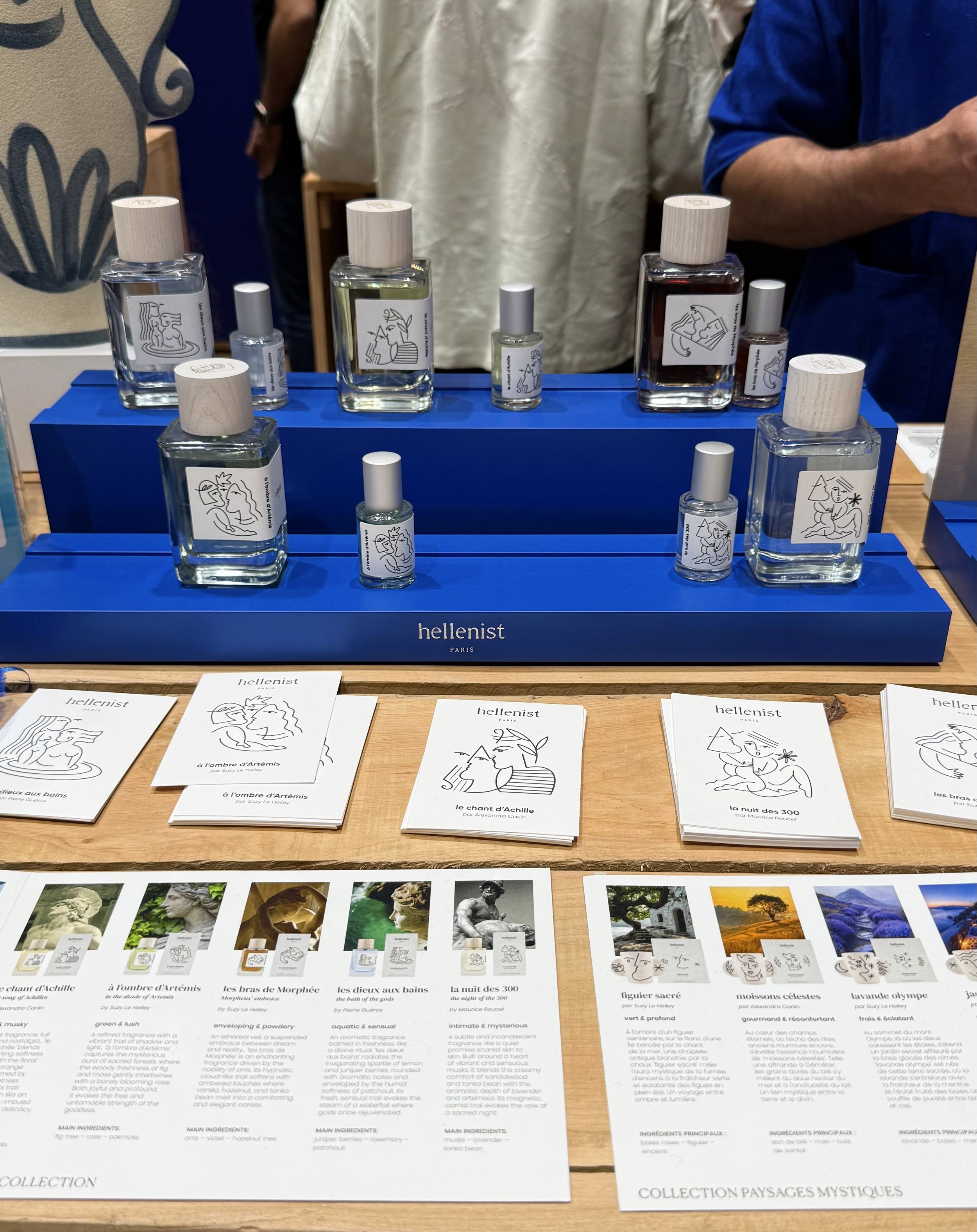
Hellenist, inspired by Greece, its landscapes, myths, and cultural memory, merges perfume and art with impressive naturalness. I was especially taken by À l’Ombre d’Artémis and Le Chant d’Achille — vibrant fragrances that lingered in my mind long after I had left the stand. And the candles deserve a mention of their own, beautifully designed, artistic, and entirely in tune with the brand’s Mediterranean identity.
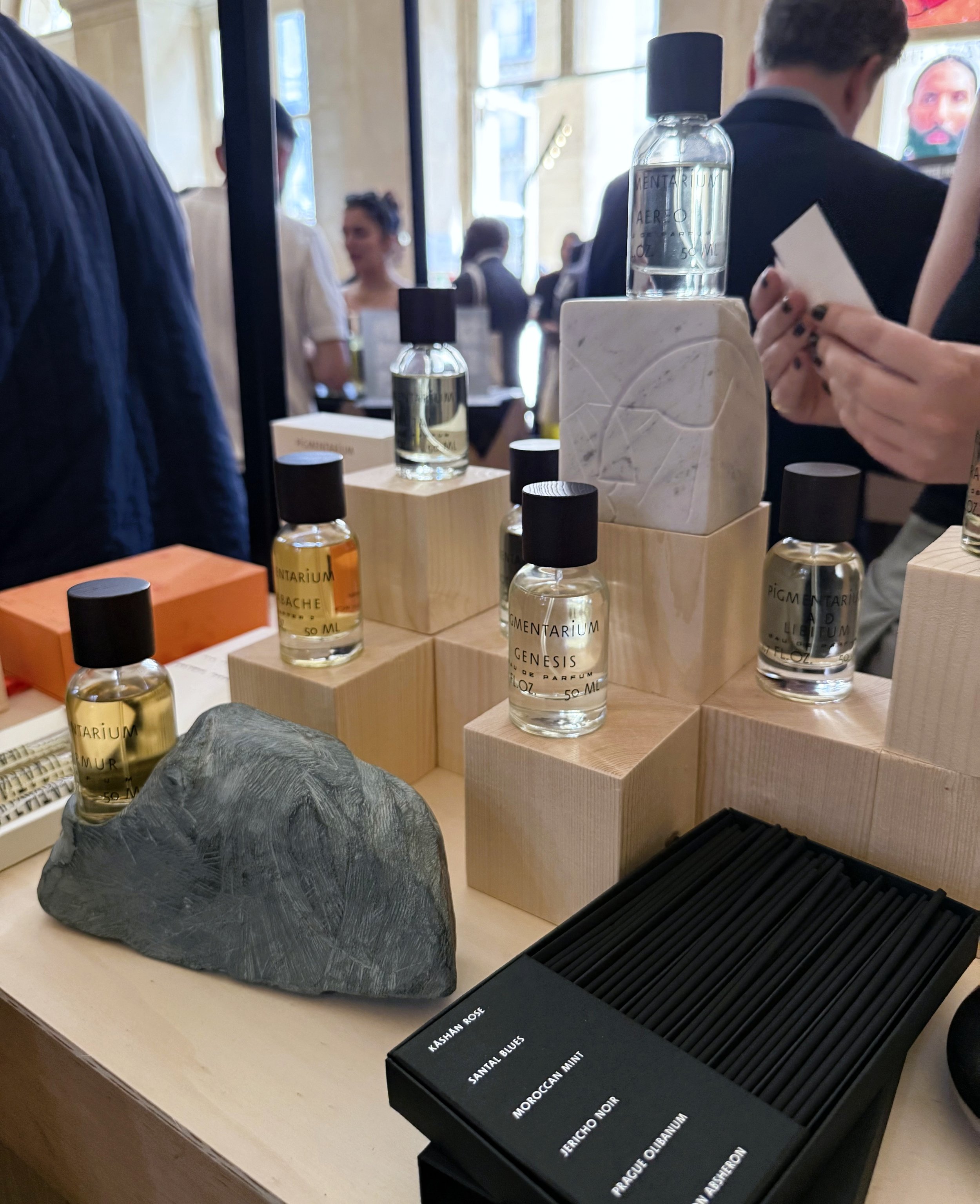
Pigmentarium was another highlight. The independent Czech house delivered one of those immediate wow moments that perfume fairs thrive on, the instant sense that something distinctive is happening at the booth. Its aesthetic language is strong, but it is the fragrances themselves that truly carry the experience.
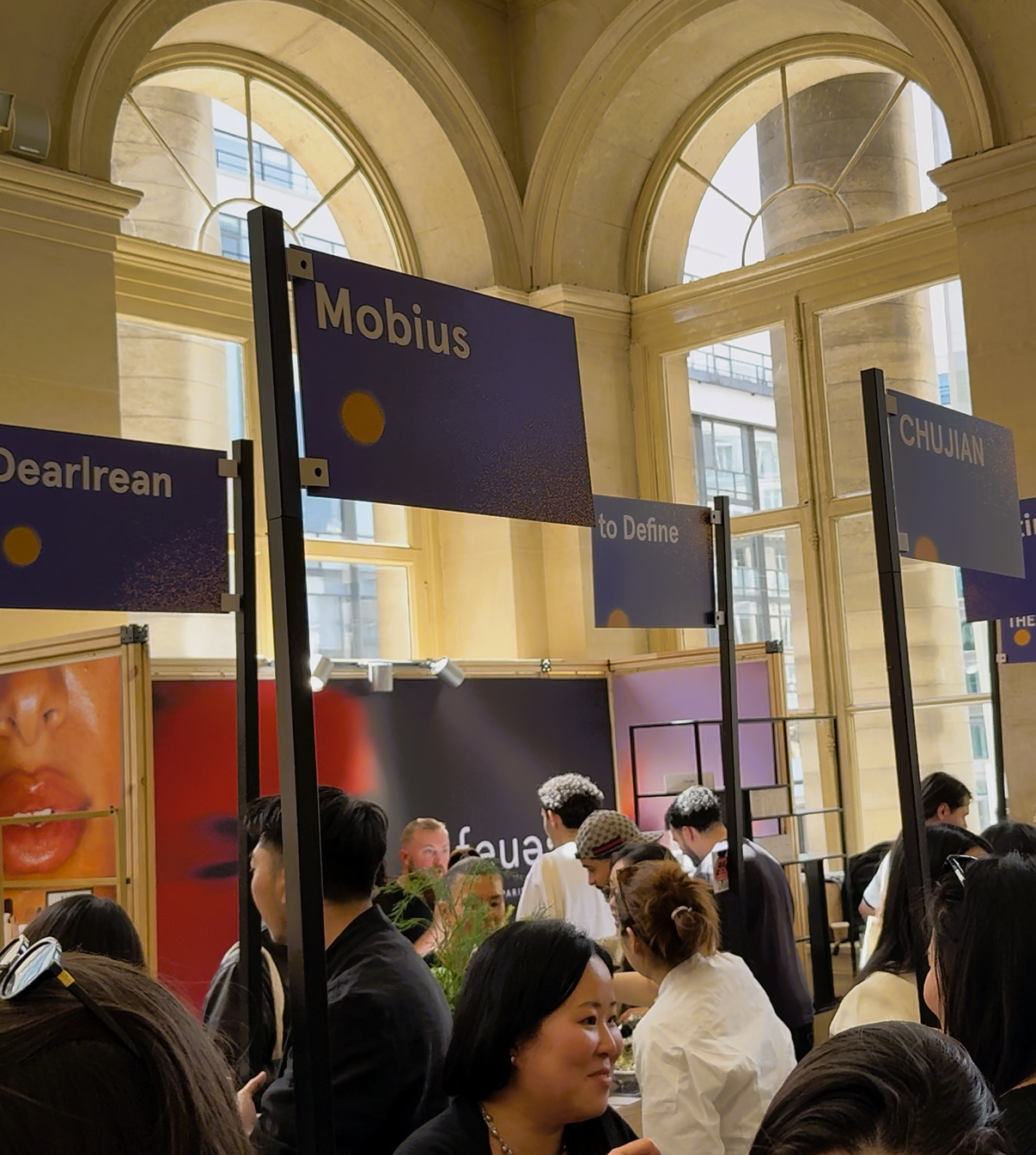
China Village was a particularly curious exhibition, offering an interesting glimpse into their approach to perfumery. It was quite crowded, making it challenging to properly experience the scents, but among what I was able to try, Mobius Fragrance with their oils and three fragrances from the Proust Collection left the strongest impression.
What also made this edition feel bigger than a conventional fair was everything happening beyond the main exhibition floor. Paris Perfume Week extended into the city through masterclasses, launches, workshops, and special events in boutiques and cultural spaces across Paris. That off-site dimension gave the week a wider rhythm and transformed it from an expo into something closer to a citywide perfume festival.
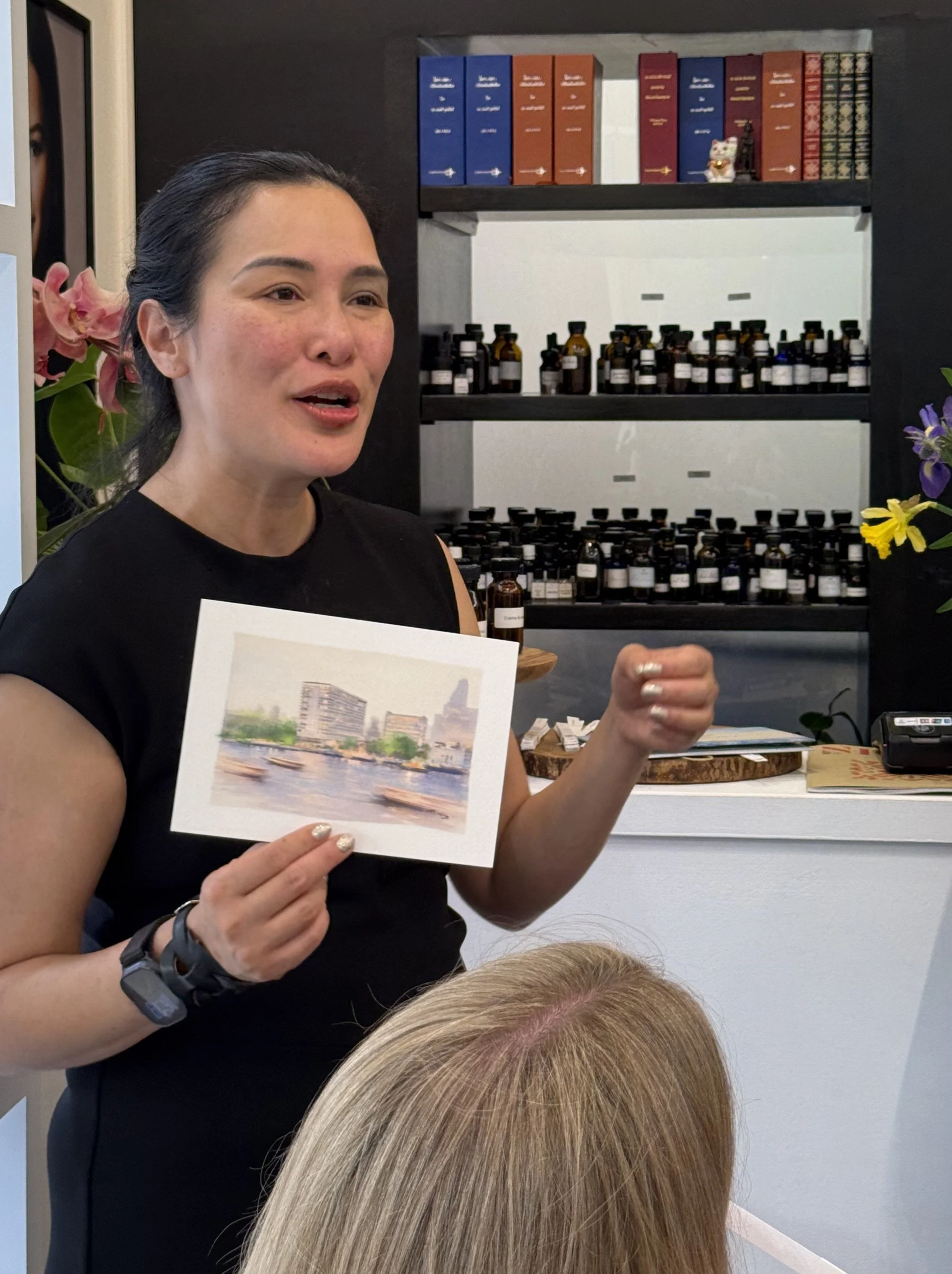
Pissara Umavijani
One of the most memorable off-site moments for me was a Dusita masterclass led by Pissara Umavijani. She presented Light of Bangkok, created in collaboration with Mandarin Oriental, Bangkok, to mark the hotel’s 150th anniversary. The fragrance is a woody aromatic composition built around ingredients cherished in Thailand, especially lemongrass, which is deeply connected to everyday life in Thailand and gives the fragrance a fresh and distinctive brightness. And hearing Pissara speak about the raw materials while smelling them in person gave the perfume additional depth.
Paris Perfume Week 2026 confirmed something important, perfume culture is growing rapidly. The event felt more international, more educational, and more alive than before. It was possible to move from perfume history to raw materials, from independent discoveries to established houses, from a crowded booth to a thoughtful masterclass across town — all within the same few days. For anyone who sees fragrance not just as a product but as culture, Paris Perfume Week has become an important event on the calendar.