The Evolution and Art of Fruity Notes in Perfumery
Written by Nina Hellström
Fruity scents are a relatively new phenomenon in the history of perfumery. At first, they appeared as occasional accents meant to enrich existing compositions, but over time they expanded into a fully recognized category - one that has since captivated both perfumers and fragrance lovers around the world.
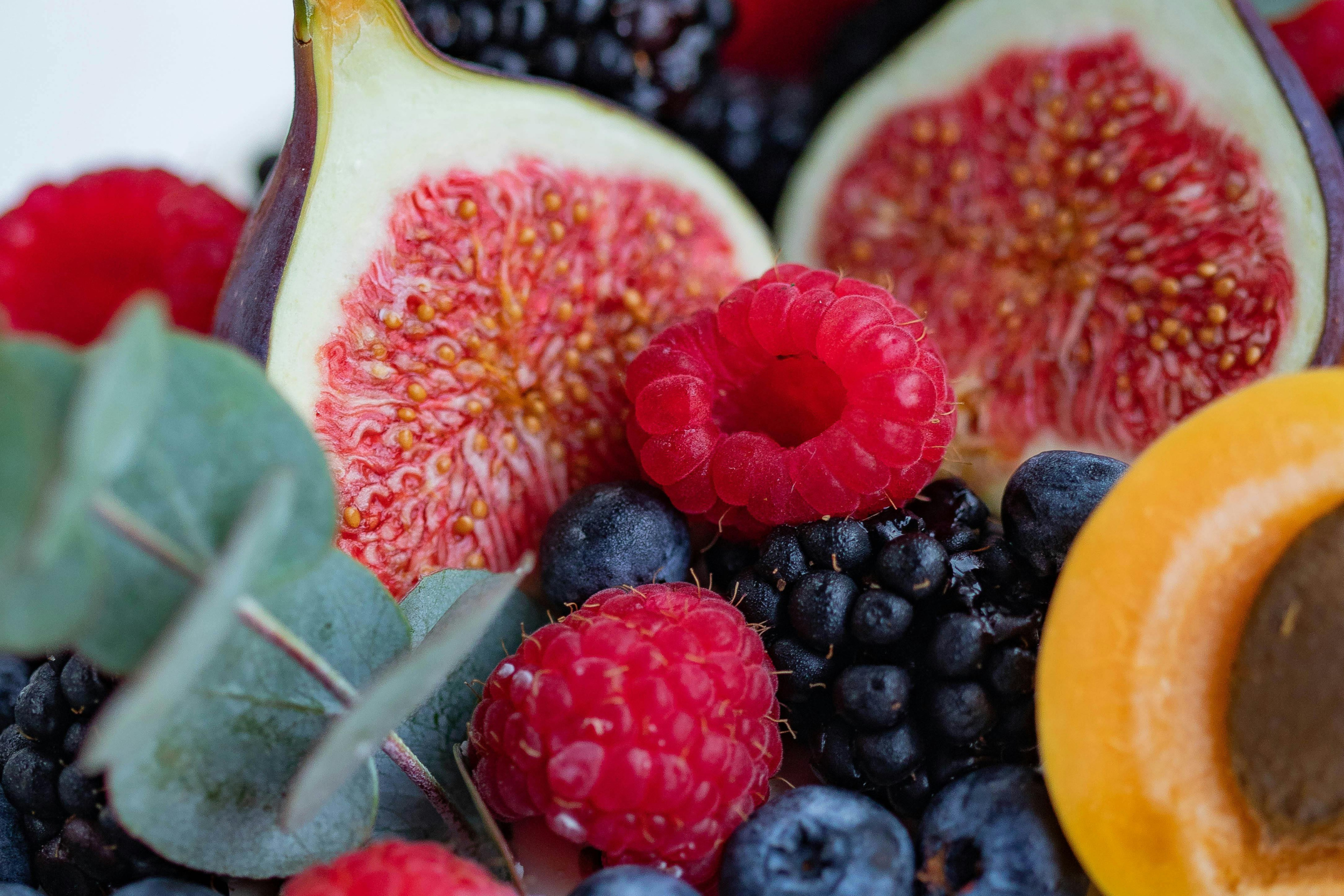
Photo credit: Pexels
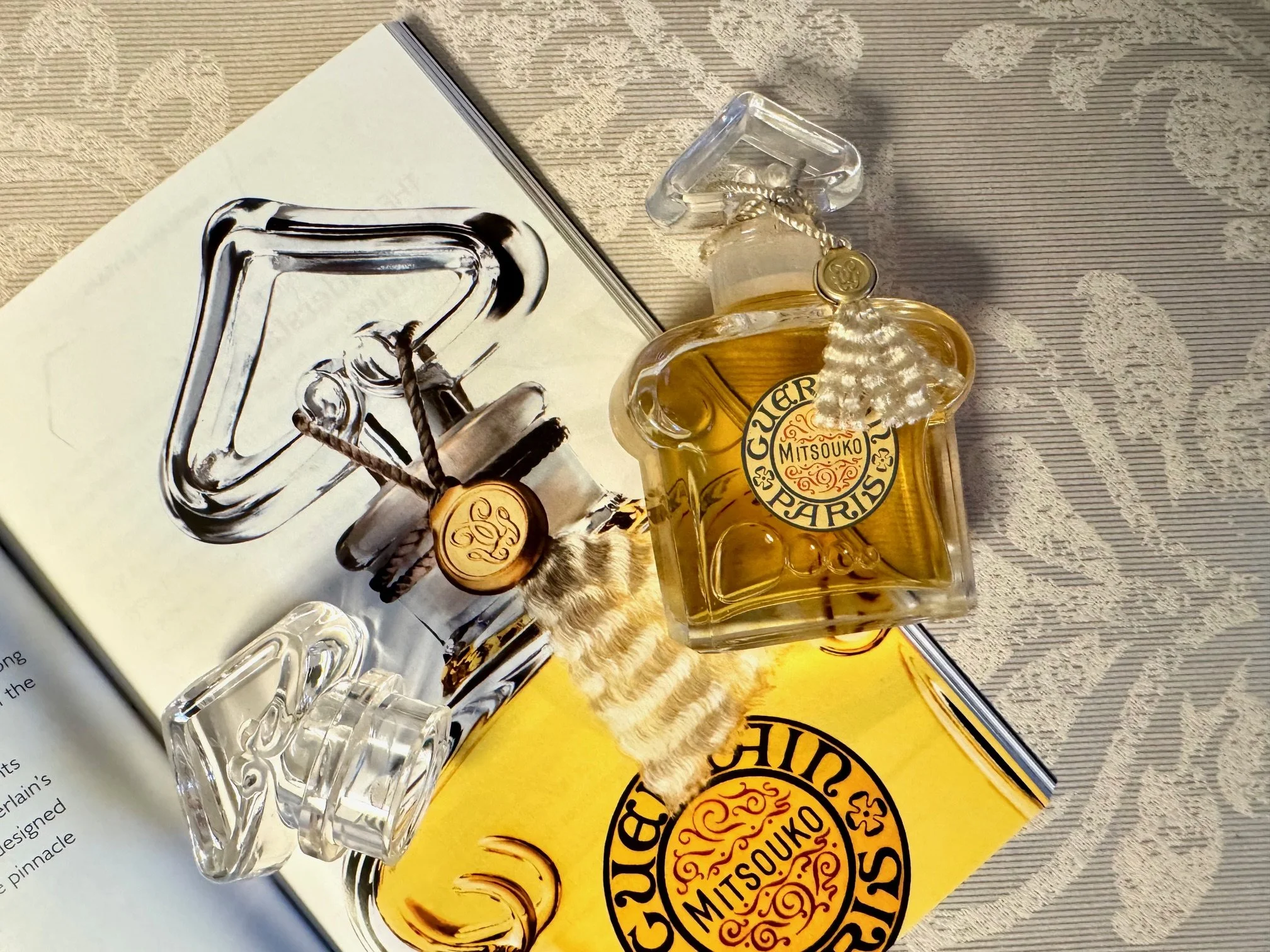
Fruity scents, which also include berry notes, are a relatively late development in perfumery. Many fruit aromas cannot be extracted naturally and therefore must be created synthetically. While a few fruits can be extracted into oil, the process is slow, technically demanding, and extremely expensive. The turning point came in 1919 with the creation of the first synthetic fruit note: a Peach note developed for Guerlain’s legendary Mitsouko. Made from the C-14 molecule, this breakthrough inspired generations of perfumers to use this note to create the irresistible fruity-sweet nuances that have since become a cherished facet of modern perfumery and that natural extraction alone could not provide. .
Images by Nina Hellström
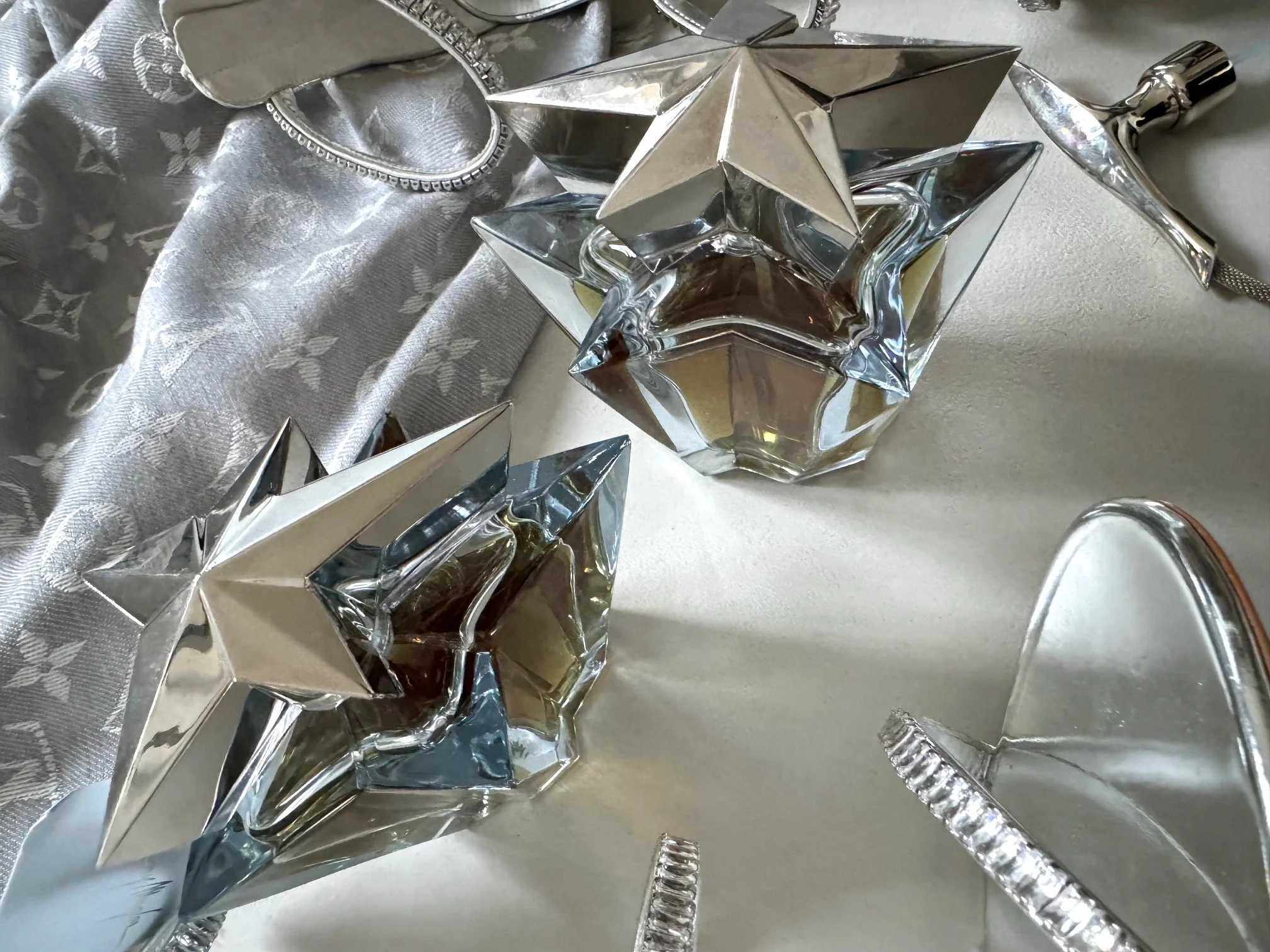
Until the 1990s, perfumes were still widely regarded as “truly natural,” even though synthetically derived floral notes had been used since the 1950s. Everything changed in 1992 with the release of Thierry Mugler’s groundbreaking Angel. As the first gourmand fragrance, Angel embraced a strong use of synthetic notes, offering an entirely new perfume category. It also was the first perfume offering the famous “red and pink fruity accord” which appeared only subtly in the original, and became prominent in later flankers and eventually resurfaced in Lancôme’s highly successful La Vie Est Belle.
By the 2000s, fruit and berry notes had shifted from occasional accents to central structural elements. This trend aligned with research showing that fruity aromas often evoke positive childhood memories, making them comforting, familiar, and emotionally resonant. Through these notes, perfumers could offer an escape to nostalgic, tropical, or warmly personal spaces, touching the wearer’s memory and imagination.
The most recent “fruity revolution,” beginning around 2020, has further highlighted these emotional effects. Modern fragrances frequently feature fruity overdoses: beautifully complex notes and accords such as Strawberry, Raspberry, Redcurrant, Blackberry, Cherry, Peach, Mango, and various tropical blends. Instead of relying on simple sugary interpretations, contemporary perfumers focus on texture, realism, and expressive depth. Many of these fruits cannot be extracted naturally, so perfumers use a mixture of synthetic molecules and carefully selected naturals to recreate them.
Like I already mentioned Peach, for example, is traditionally built from the aldehyde C-14 while Wild strawberry is often constructed using Orange blossom and the aldehyde C-16 and cherry - one of the most technically challenging fruits to reproduce - requires a sophisticated combination of multiple synthetic and natural materials. These advances allow fruit notes to serve not merely as top notes but as vibrant, emotional centers of modern compositions.
Yet crafting fruity accords of true beauty is both demanding and expensive. This explains why fruity notes in inexpensive fragrances often smell overtly synthetic or harsh. While certain fruits, such as Raspberry, can yield natural oil, the extraction process is extremely expensive - others pose safety issues, such as apple seed oil, which can contain cyanide compounds.
Against these limitations, several perfume houses distinguish themselves through their mastery of realistic fruit compositions. Houses like Amouage, Roja Parfums, and Royal Crown do not create simple or transparent fruity fragrances; instead, they incorporate fruit and berry notes into rich, multifaceted structures where the aromas are juicy, uplifting, and naturally sweet.
Fruit notes also behave like chameleons - blending seamlessly with a range of materials and changing a fragrance’s mood and color in an instant. When crafted with skill, they can breathe life into a composition, adding movement, warmth, and emotional vibrancy.
In the end, the rise of fruity perfumery is far more than a passing trend - it reflects a deeper hunger for joy, nostalgia, and emotional connection in scent. As technology advances and perfumers continue to refine the art of crafting ever more realistic, radiant fruit accords, these notes have earned their place as modern essentials rather than playful novelties. Whether they appear as sparkling top notes or lush, velvety hearts, fruits bring color, optimism, and a sense of carefree delight to fragrance. And as the industry continues to push boundaries, one thing is certain: the future of fruity scents is just as vibrant, juicy, and irresistible as the notes themselves.
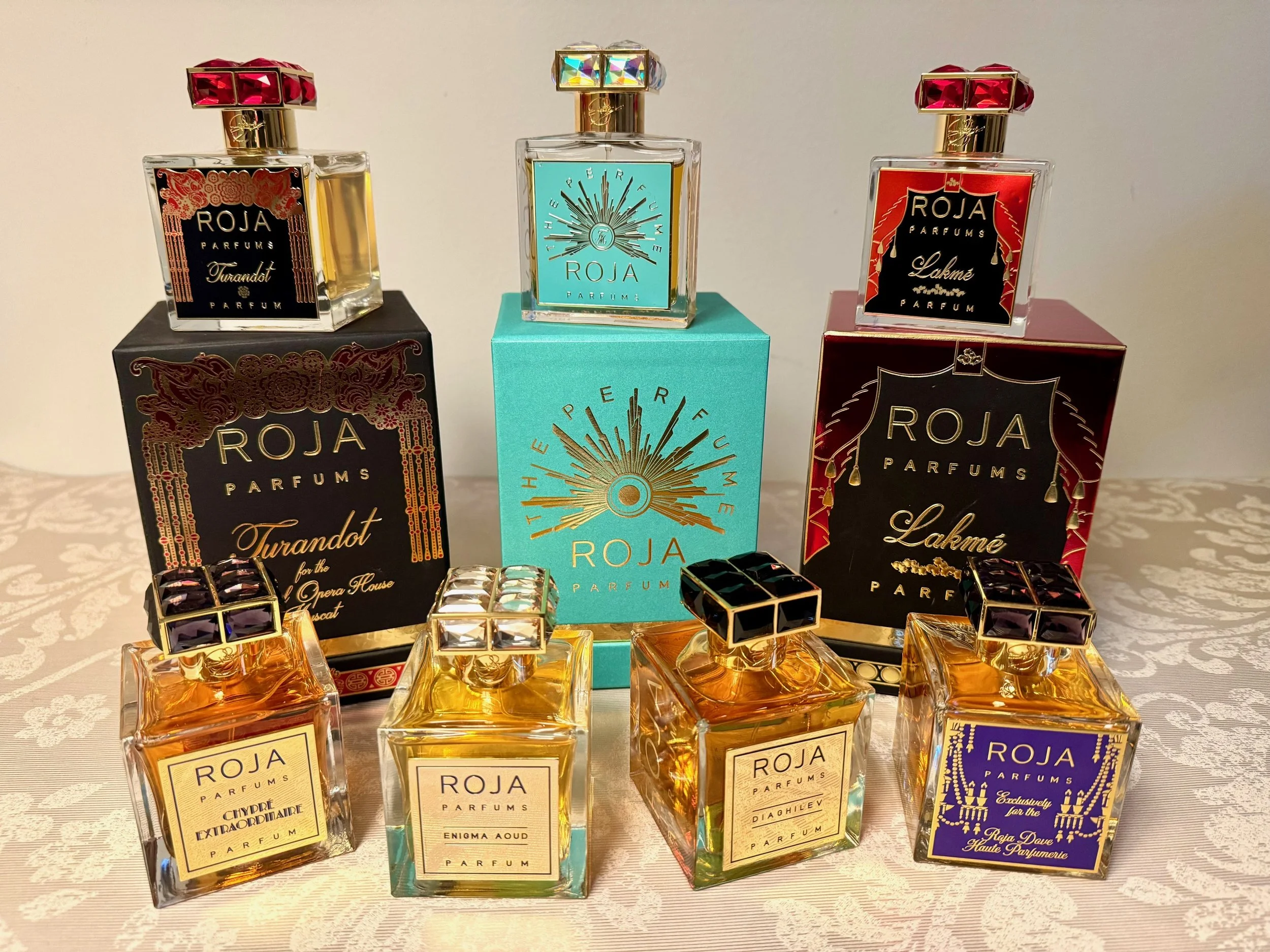
Peach has become a signature element in many of Roja Dove’s creations, a detail that is likely no coincidence given his long tenure at Guerlain - where peach, crafted through the pioneering C-14 molecule, debuted as the first synthetic fruit note in the iconic Mitsouko. This refined and exquisitely elegant Peach accord appears prominently in several of his fragrances, including Turandot, Lakmé, Roja Dove Haute Parfumerie 15, Chypre Extraordinaire, The Perfume, Diaghilev, and the peach-centered Enigma Aoud. Raspberry and the more unconventional Rhubarb also feature throughout his portfolio, adding vibrant contrast and complexity to these extraordinary compositions. Roja has also successfully crafted very difficult notes, such as Banana (Kingdom of Saudi Arabia and Candy Aoud).
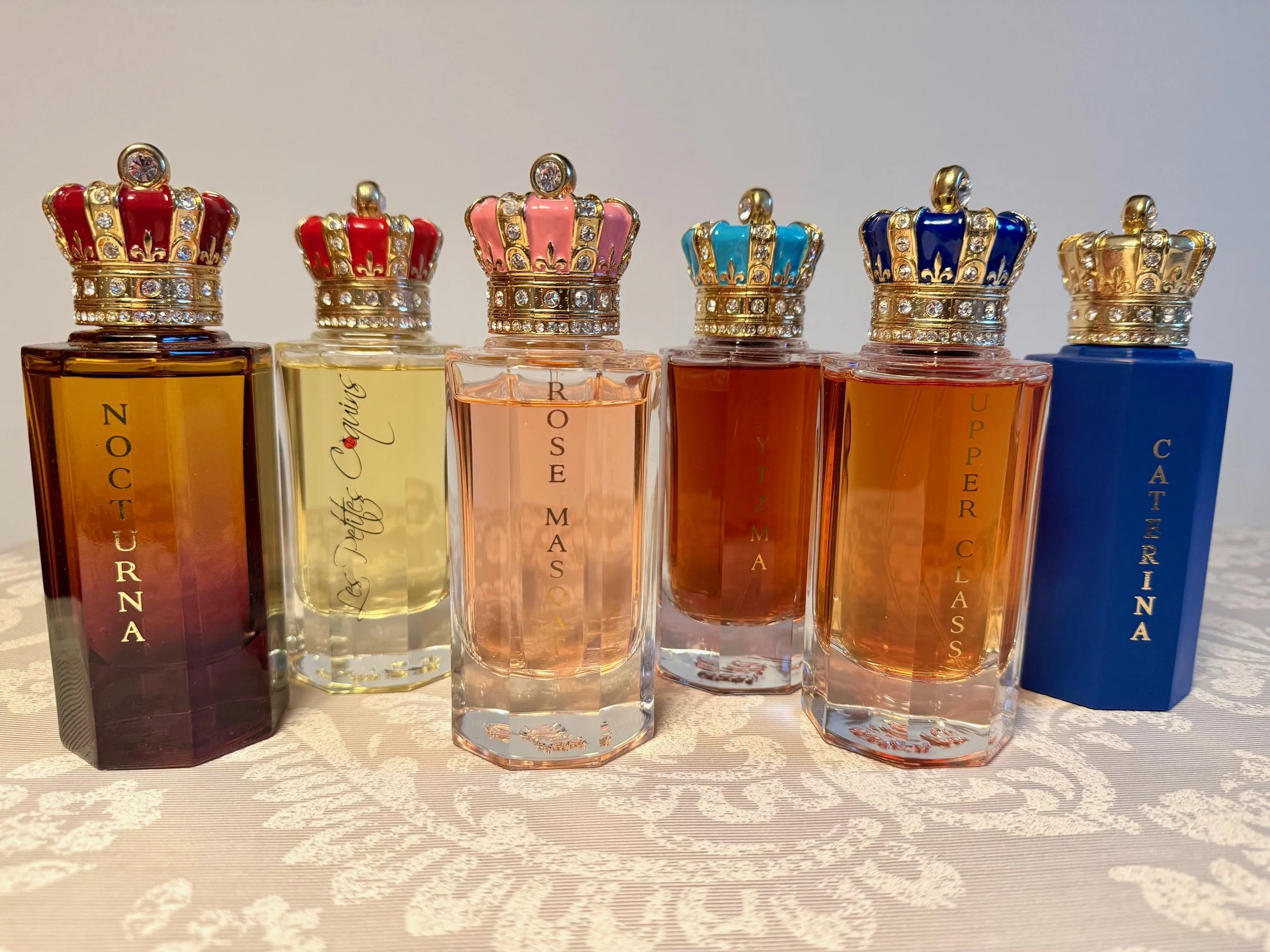
Royal Crown’s founder and perfumer, Antonio Martino Visconti, is widely admired for his exceptional mastery in crafting fruit accords of striking realism. His compositions reveal a deep understanding of both technical and artistic challenges of working with fruit notes, integrating them seamlessly into the house’s opulent and multifaceted fragrances. Notable examples include the sophisticated “dried fruits” accord in Ytzma, the remarkably vivid raspberry featured in Upper Class, the pairing of peach with white honeydew melon in Nocturna, the delicate white melon within Rose Maqat, the apricot and rhubarb interplay in Caterina, and the luminous blend of grapefruit and peach blossom absolute in Les Petites Coquins. Although fruity notes are notoriously difficult to anchor and sustain within a composition, Visconti achieves exceptional persistence - his fruit nuances remain refined, expressive, and captivating for hours.
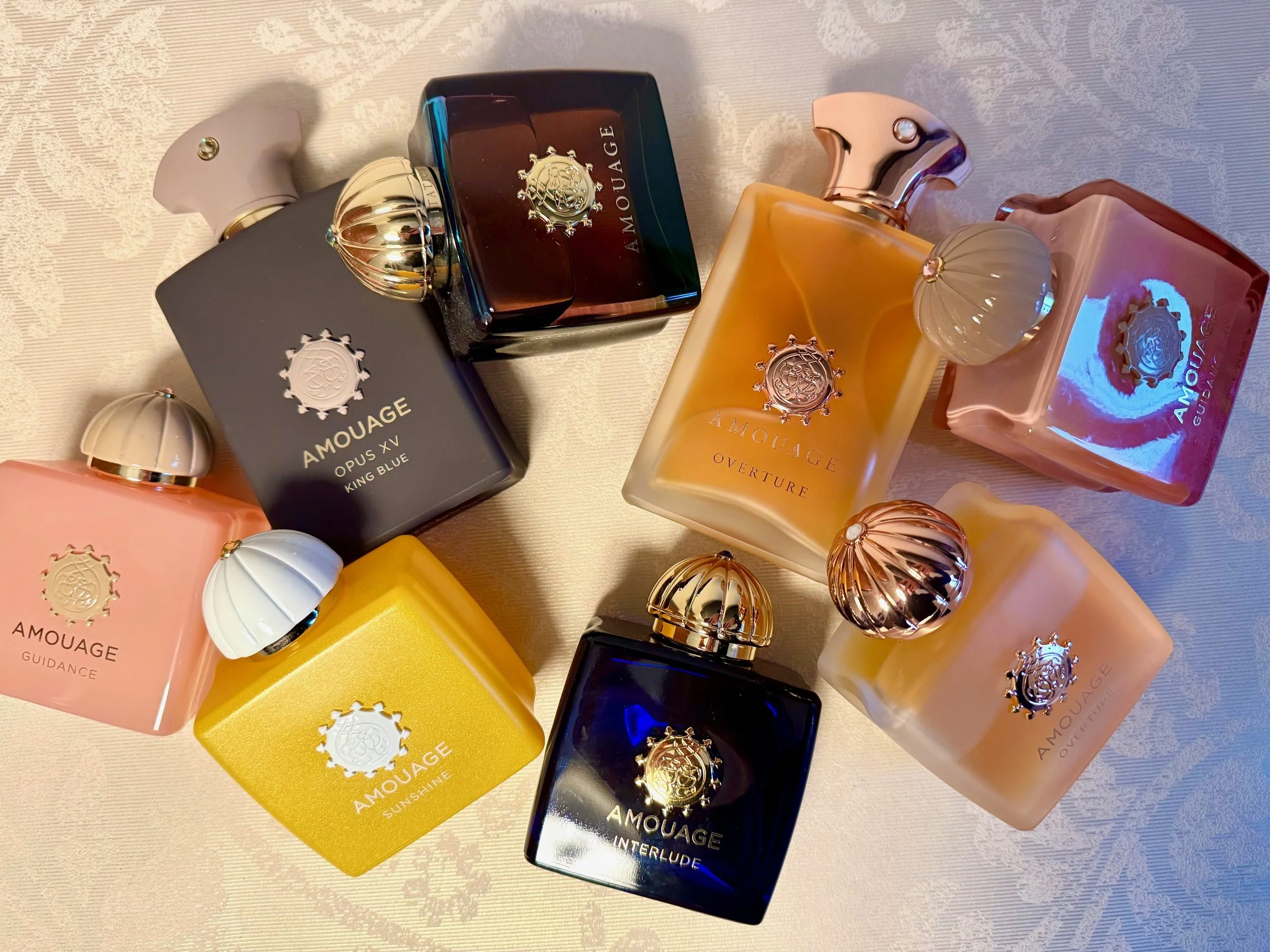
Amouage has long been recognized for its artistic and often challenging compositions, though recent releases have shifted toward a more approachable style. Unlike Roja Parfums (before 2025) or Royal Crown, Amouage does not rely on a single in-house perfumer, resulting in a portfolio that is diverse in character rather than stylistically uniform. Even so, the house has produced a number of fragrances in which fruit notes elevate the compositions to remarkable effect. Interlude Woman features an uncommon, atmospheric Kiwi note; Guidance introduces a luminous, juicy pear; Imitation Woman and King Blue both showcase vibrant blackcurrant; Sunshine Woman draws its apricot nuance from osmanthus; Jubilation 40 blends blackberry and blackcurrant to striking effect; and the Overture duo offers an imaginative interpretation of apple, enriched with a subtly boozy twist. Each example demonstrates how, when handled with skill, fruit accords can bring depth, contrast, and unexpected sophistication to even the most complex structures.