Ugo Charron on Experimentation, Perfumery, and the Link Between Scent and Music
Written by Kristina Kybartaite-Damule
Ugo Charron is part of a new generation of perfumers who are shaping their own paths—moving between niche and more commercial projects, building a portfolio that is growing quickly, but with a clear sense of direction. In an interview for PlezuroMag, we step into his world, where scent is not just composition, but perception, memory, and experimentation.
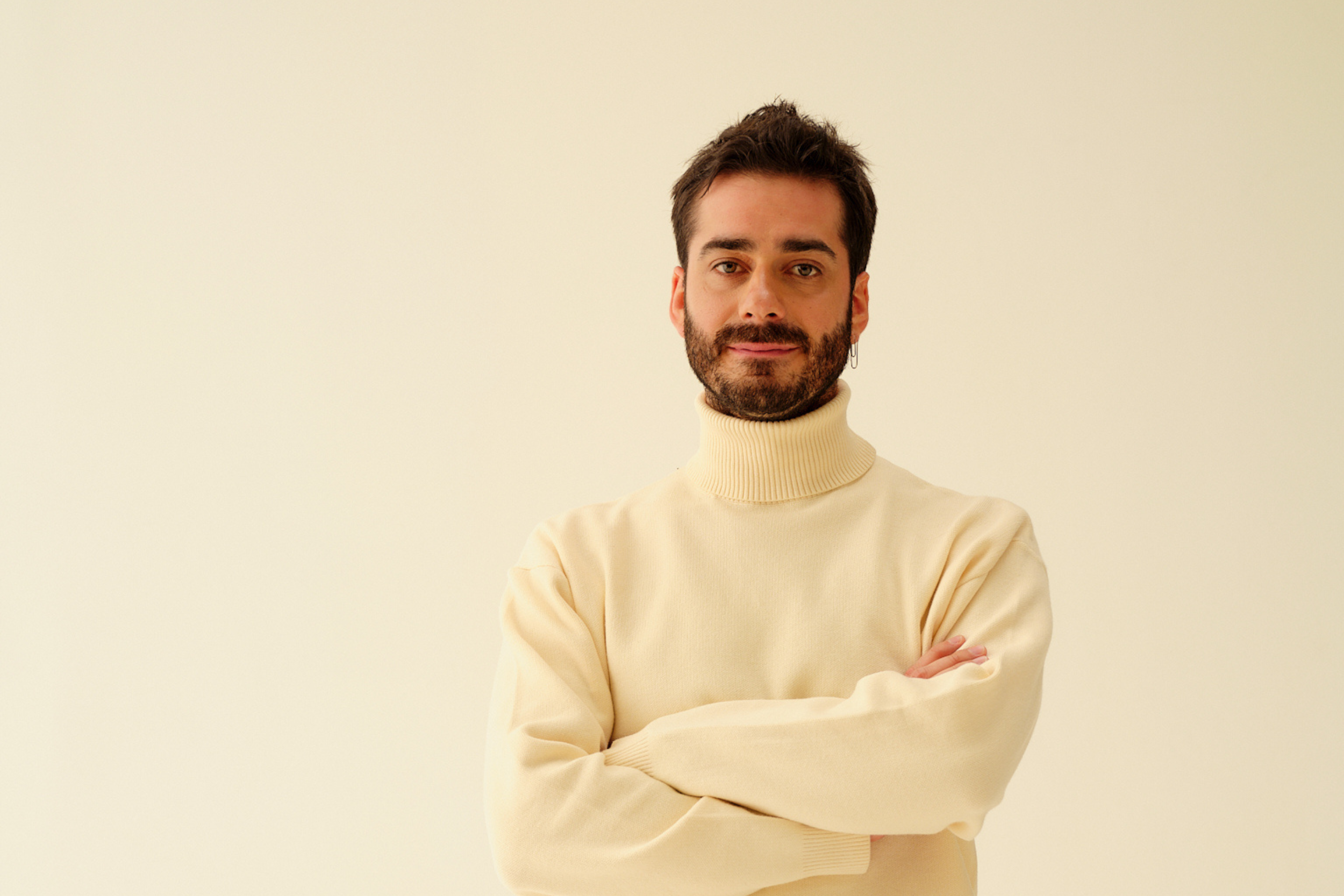
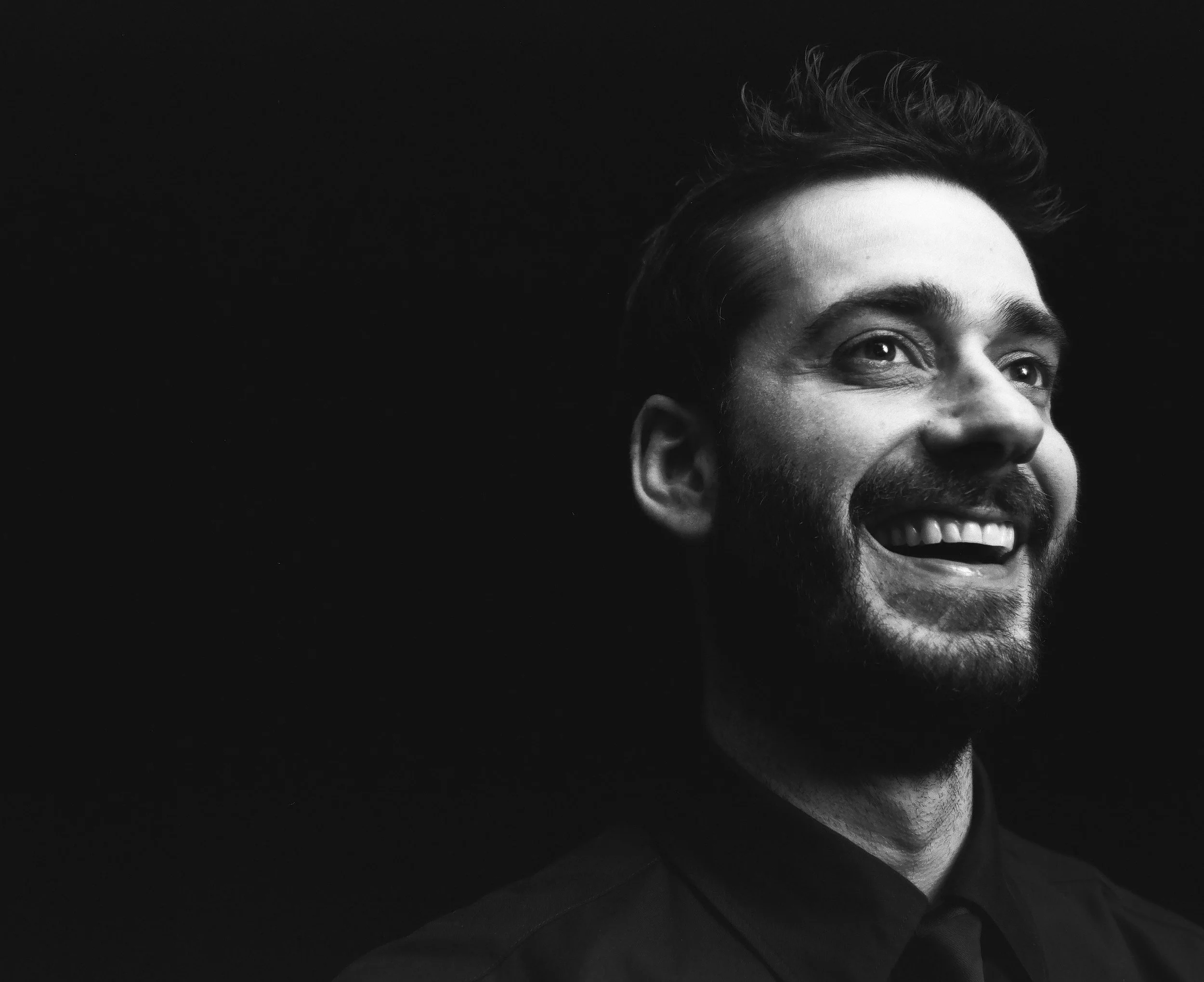
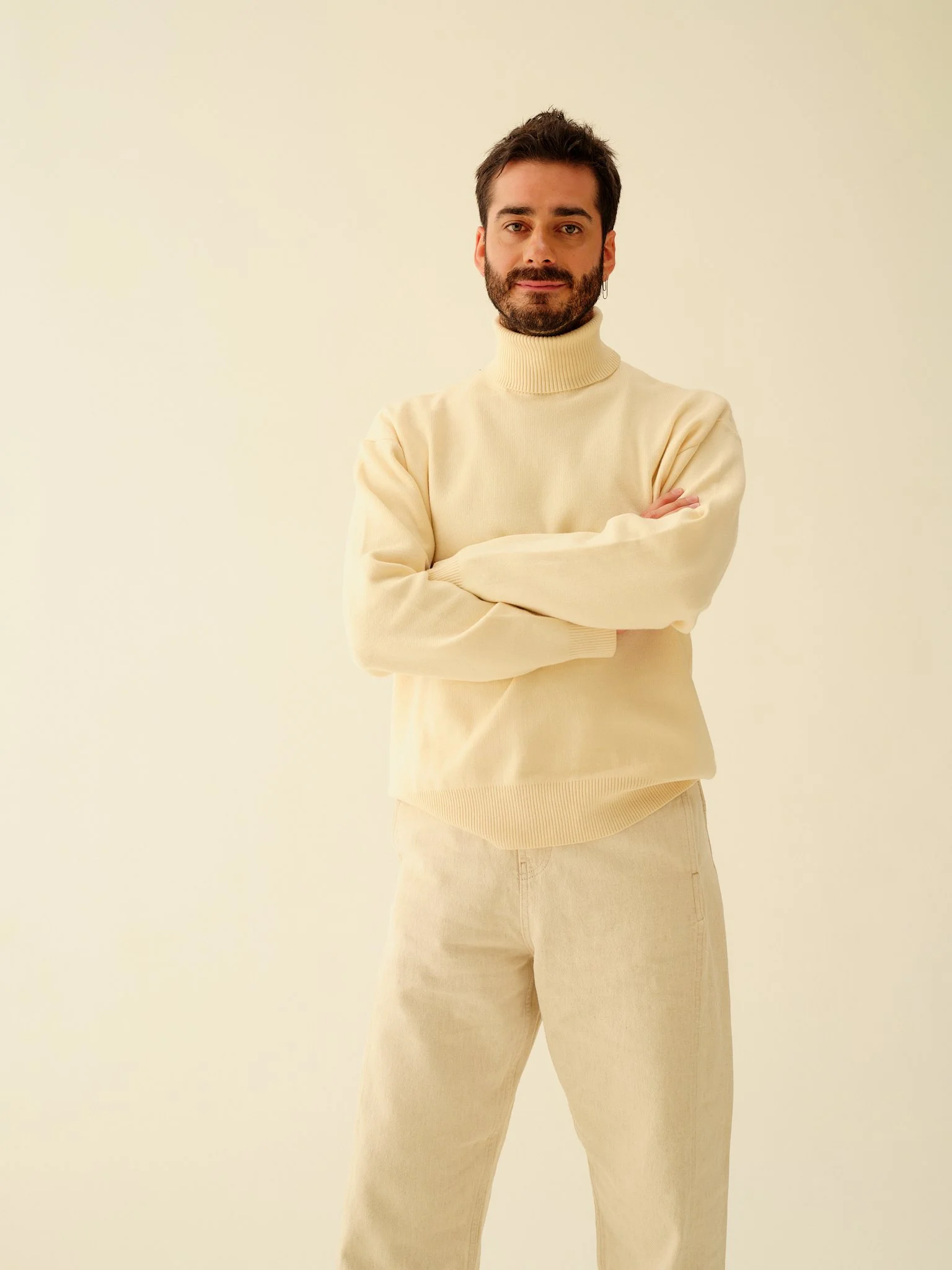
Ugo Charron / Photo from the personal album
His journey into perfumery is far from conventional. Without following the traditional route through the big fragrance schools, Ugo built his path through persistence and curiosity, finding his own way into the industry. Today, he works at Mane, developing his craft, while maintaining the experimental mindset that defines his work.
Beyond fragrance, Ugo is also a musician and the co-creator of Cosmic Gardens, a project developed with a close friend Clement Mercet, that brings together sound, visuals, and scent into immersive, multi-sensory experiences. It’s not just a performance, but an introspective journey—one that reflects his broader creative language across mediums.
This vision continues in their latest release, Seaweed Rise, Act I. Ocean, Pt. 2. “It’s part of our album A Quest To Infinity, from the first act Ocean, reflecting our live immersive show—a meditative ambient introduction filled with string tensions and melancholic beats,” – Ugo explains.
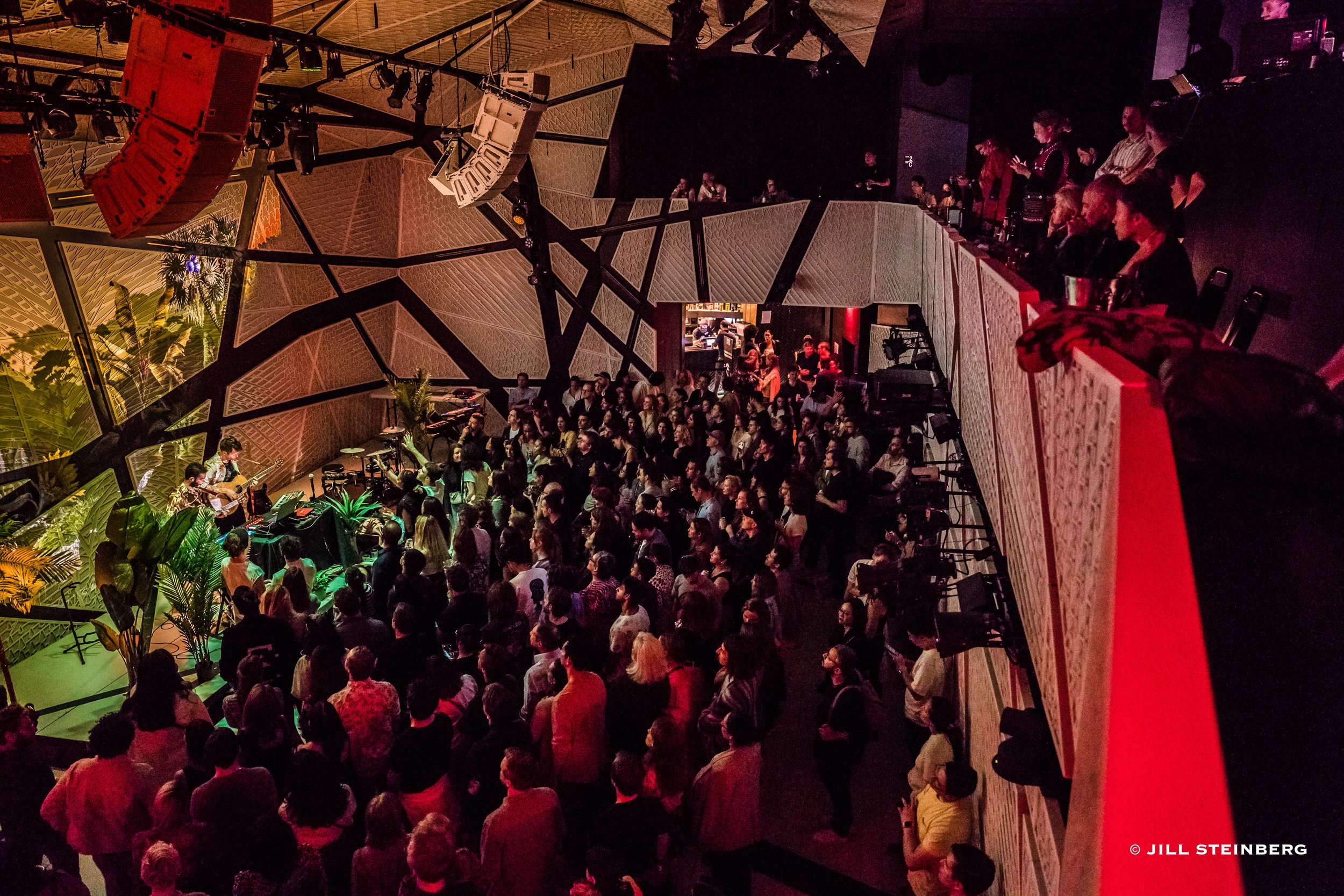
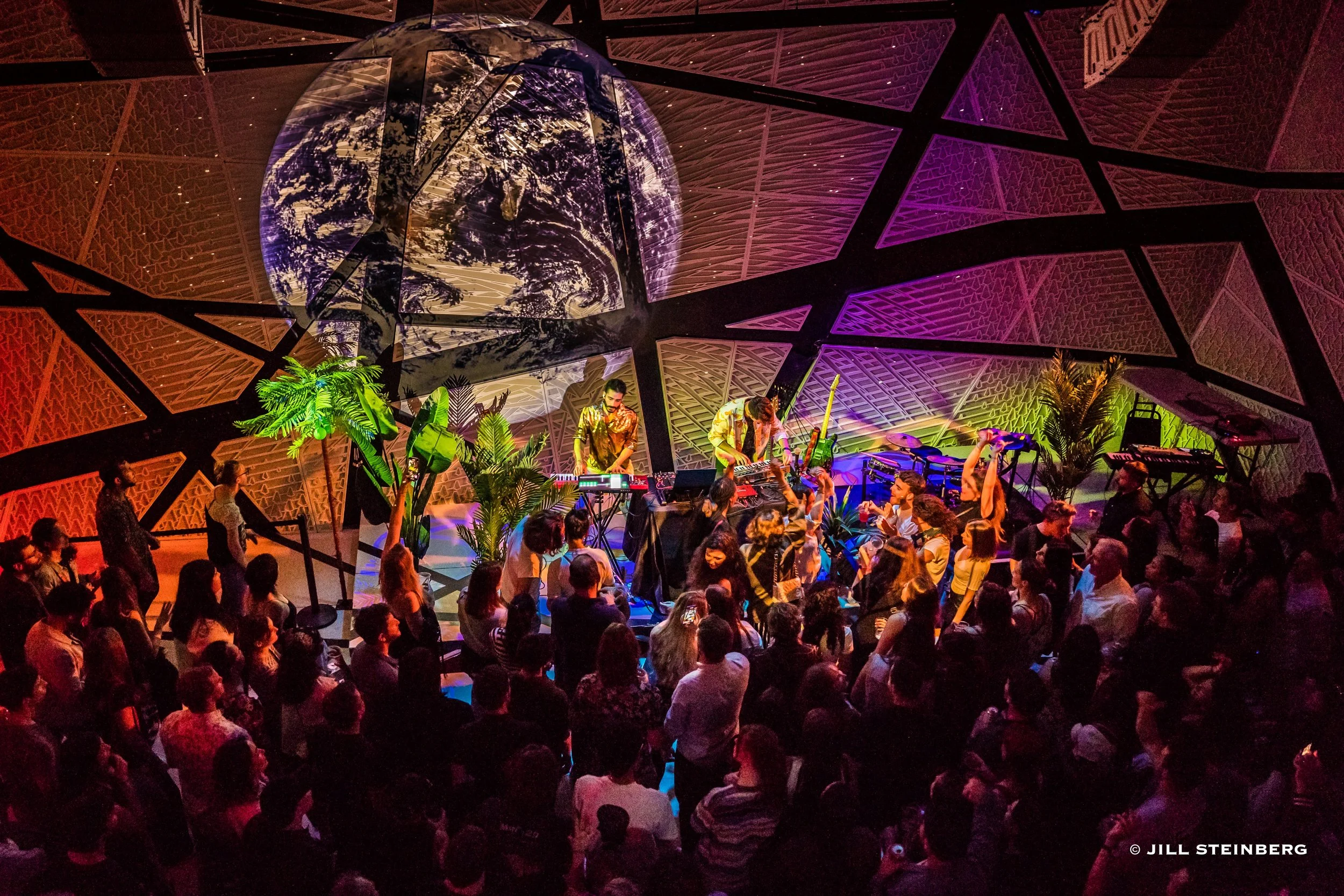
Cosmic Gardens / Photo credit: Jille Steinberg
In our interview for PlezuroMag, we talk about his beginnings, failure and resilience, breaking rules, and why staying experimental remains at the core of everything he does.
You once mentioned that reading Perfume: The Story of a Murderer as a teenager opened your imagination to scent. Do you remember the moment you realized perfume could be more than just a product?
I was quite young when I read it, and I didn’t understand everything. But I remember being in my room and realizing there was another dimension I didn’t know—a dimension that could improve your way of life if you open yourself to it. I don’t know why, but I felt I needed to continue that dream.
Now that I create perfume, yes, it’s a product—but I love the idea that if you open your nostrils a bit more, you see the world differently. You notice more details, more emotions—almost invisible things. Even in the subway, you become more aware. It’s a strange thing, but it can even be a form of protection.
And if you’re attentive and curious, you perceive things that others don’t. I like that—it’s a bit like being a detective. With smell, you can notice things that someone less trained wouldn’t.
How did you decide to become a perfumer?
Thanks to the book, I discovered the job existed. Then I realized you could actually do it. But many people told me I wouldn’t succeed—that it was too difficult, that only a few people make it. And the more I heard that, the more I wanted to succeed.
That gave me strength. Being told I couldn’t do it pushed me forward. I was also a bit naive—I believed I could succeed. And without that naivety, I probably wouldn’t have.
It took time. It’s a long journey. I didn’t know anyone in the industry, my family wasn’t connected to it. So I had to build everything from scratch. It wasn’t easy every day, but it was worth it. I failed a few times, but now I feel I’m on the right track.
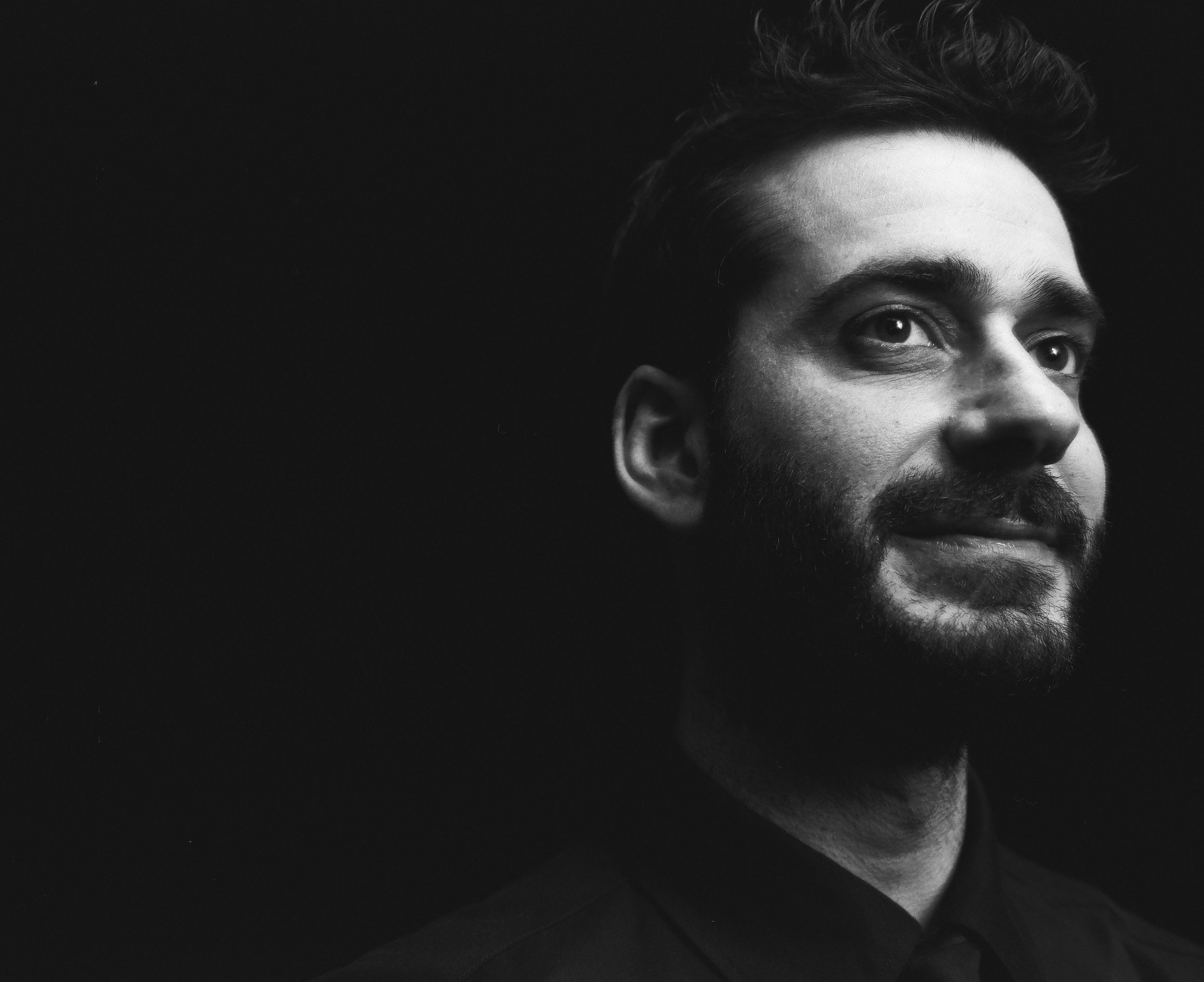
Photo credit: Toby St
What does “failure” look like in perfumery?
Failure is when you go through interviews and don’t get selected. I didn’t follow the traditional path—I didn’t go to an internal school. I interviewed at places like Givaudan and Firmenich, went far in the process, but wasn’t selected.
So I found another way. I worked with Christophe Laudamiel.
For me, what matters is how you rise after failure. That’s the difference between people who succeed and those who don’t. If you keep going after being told no, at some point it works. In my case, it took seven years.
It’s also reflecting a lot the perfumer daily job where you participate in a lot of projects but you fail a lot. So you need to have a tough skin!
If you’re resilient and committed, you can achieve what you want. But yes—you suffer a bit along the way.
Do you see perfumery as an art, a craft, or a science?
It’s all three. It depends on who I’m creating for.
For niche brands, like Thomas [De Monaco, - editor’s note], it’s clearly art. I have more freedom, and it becomes more about expression—bringing my signature into a vision.
For larger, more global brands, it’s closer to design. You listen, you respond to a brief, you aim more to please.
And of course, there’s science. You work with formulas, proportions—it’s basic math. I’m a chemical engineer, but I don’t use that knowledge every day. It helps me understand extraction and materials, but in practice, it’s mostly proportions.
Then there’s business—you need to sell yourself, especially in niche perfumery and more and more for commerical projects as well. And psychology, because scent is deeply tied to emotion and memory. Even neuroscience plays a role.
I like that perfumery sits at the crossroads of all these fields.
Are there rules in perfumery you enjoy breaking?
That’s the purpose of being a perfumer—to explore new territory.
If you don’t, you stay in your comfort zone and repeat yourself. I don’t want that. Of course, I have formulas I know work, but if you rely only on those, you lose creativity.
So I try to challenge myself—use a different ingredient, approach things differently. It’s not always easy with time constraints, but whenever I can, I experiment.
What have raw materials taught you about perception?
That nothing is permanent—everything moves.
Even if I think I know a material, when I smell it again, there’s always a gap between memory and reality. And that applies to everything.
It’s a reminder to stay present. We’re not here forever, so smelling becomes something very immediate. It’s about enjoying the moment—Carpe Diem in a way.
That’s why it’s important to re-smell materials, to stay humble and not rely only on memory.
Do you think perception changes physically, as you get older, or is it emotional?
Our sense of smell naturally fades with age unfortunately but I think it’s also mostly emotional. Your emotional state changes constantly, and that affects how you smell.
If something happens—good or bad—it will influence how you perceive a scent. So it’s less about the nose changing, and more about you changing.
Is there a raw material you feel particularly connected to?
Yes and no. I have preferences, but as a perfumer, you can’t rely only on what you like. Ingredients are tools—you use them to create effects.
There are materials I don’t like, like milky notes, but I still use them because they’re necessary.
That said, I’m drawn to certain things. Orris, for example—I love its texture. It’s not floral, it’s somewhere between wood and moss, a bit peppery. I also like green notes, maybe because my grandparents were farmers. And smoky notes, leather… maybe I’m drawn to darker things.
Is there a fragrance that best represents you as an artist?
I have a few. Fleur Danger is one. It balances darkness and brightness—leather and smoke with something more luminous from aldehydes and incense.
More recently, I created a banana fragrance for Granado, Yes, Nos Temos Banana!. Banana is tricky—it can feel cheap. So I approached it in a greener way and paired it with orris to elevate it.
I like that challenge—taking something simple and making it sophisticated.
Another interesting perfume project of yours was Umema. You worked on translating “umami” into scent. How do you approach something so abstract?
It started with a collaboration with Emmanuelle Dancourt, an anosmic from birth. We used taste as a bridge.
Umami was interesting because it’s not really explored in fragrance. We worked with flavorists, tasting different things—cheese, tea, beef—and I tried to capture the sensations: saltiness, smokiness, greasiness.
From that, I built an accord—salty, mossy, smoky, almost greasy—which became the base of the perfume. It was about translating taste into smell, and emotion into creation.
For Thomas De Monaco Parfums you created a flower for the future. Aside from flowers, what kind of scent do you think could represent 2050?
I imagine something metallic, silver—but paired with very artificial gourmand notes.
Something fruity, bubblegum-like, neon, but also metallic. Or something overly gourmand, pierced by a shiny, synthetic edge.
You’ve once said scent and sound share a vocabulary—notes, rhythm, harmony. Do you ever “hear” a perfume?
Not exactly hear—I see it as a shape.
For example, a ball that I want to transform into something more angular. I use ingredients and proportions to shape it.
Music helps as a reference. If I want something high-pitched, I increase sharper top notes. If I need depth, I look for heavier, bass-like materials.
Can you tell me about your another project – Cosmic Gardens?
It’s a project I started in 2017 in New York with Clement Mercet. It began with music, then we added fragrance, visuals, and even cocktails. It’s a multi-sensory experience.
The show is structured in three chapters: ocean, earth, and cosmos—a journey through life. Each part has a corresponding scent diffused at key moments.
The music is live—we create everything from scratch. It starts ambient, builds up, and ends in something more techno. It’s immersive and introspective. Some people even cry during the performance.
And the visuals, do you also create them?
We work with a graphic designer friend, Valentin Delouis, who creates them. During the show, a DJ triggers visuals live based on his work giving more energy to the visual effects.
You are a performer, a musician, and also, in a way, a scientist. If you had to describe yourself in one word, what would it be?
Experimental.
I like to try and see. And even if you try and fail, you learn something.
Thank you for your time, Ugo.